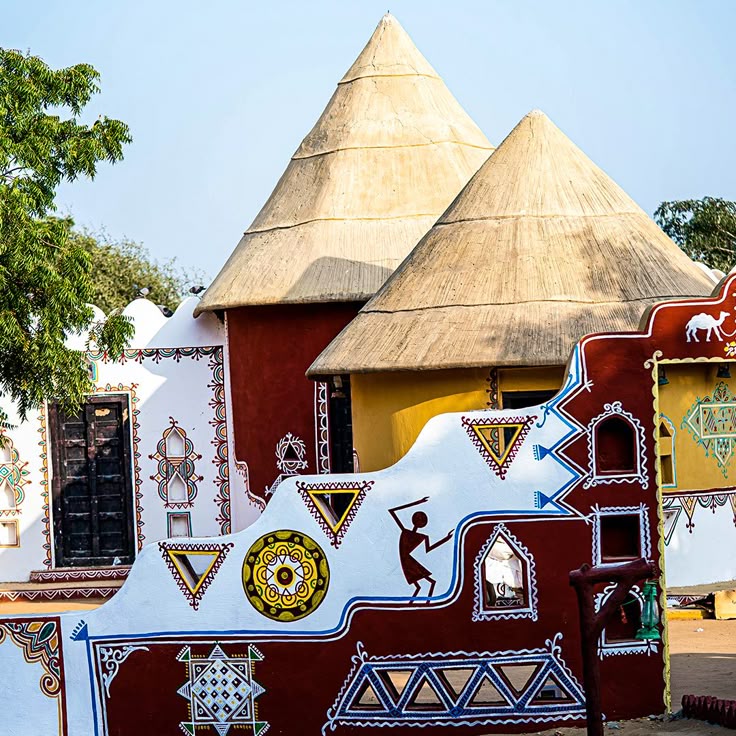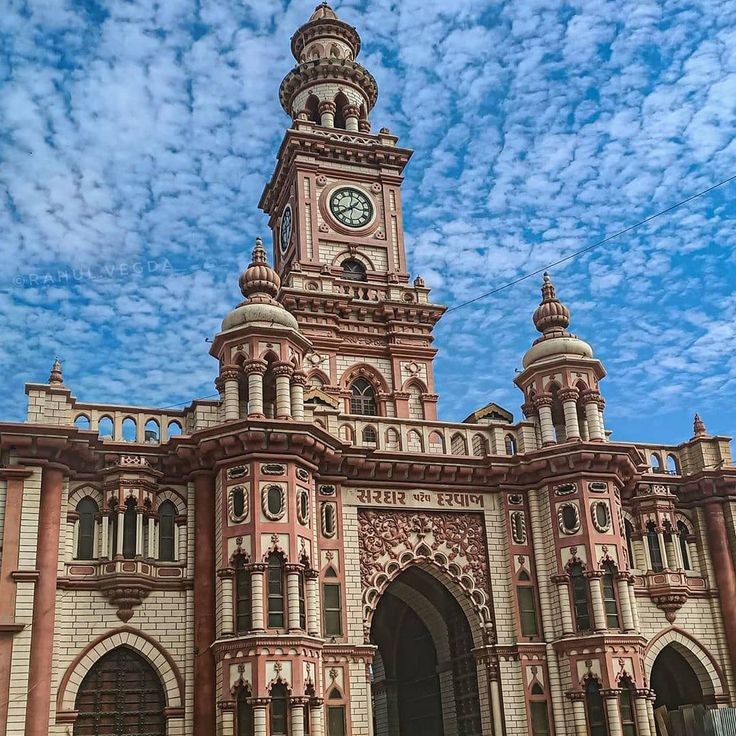
Junagadh district is one of the most fascinating and historically rich destinations in Gujarat. Located in the heart of the Saurashtra region, this ancient district offers a rare combination of sacred mountains, centuries-old forts, spiritual temples, royal monuments, and peaceful natural attractions.
When you visit Junagadh, you don’t just explore a city — you experience over 2,300 years of living history. Every street, fort wall, temple, and hill tells stories of powerful empires, devoted pilgrims, and royal dynasties that shaped this remarkable place.
Junagadh is especially famous for Girnar Hill, one of the oldest mountains in India, and Uparkot Fort, which has stood strong through centuries of invasions. The district is also home to sacred temples, ancient stepwells, royal mausoleums, and beautiful viewpoints.
Whether you are a spiritual traveler, history lover, trekker, photographer, or explorer, Junagadh offers a meaningful and unforgettable travel experience.
This Junagadh District Travel Guide 2026 covers everything you need to know — including the best places to visit, historical significance, travel tips, itinerary, and frequently asked questions.
Where is Junagadh District Located and Why It is Important
Junagadh district is located in the southwestern part of Gujarat, in the Saurashtra peninsula. Junagadh city serves as the district headquarters and lies at the base of the sacred Girnar Hill.
The district holds both historical and geographical importance because of its strategic location near Girnar mountain and ancient trade routes.
Distance from major cities:
- Rajkot to Junagadh: 105 km
- Ahmedabad to Junagadh: 315 km
- Porbandar to Junagadh: 100 km
- Amreli to Junagadh: 110 km
- Veraval to Junagadh: 90 km
The district is well connected by road and railway, making it easily accessible for travelers.
Historical Legacy of Junagadh: A Journey Through Ancient Empires
Junagadh is one of the oldest cities in India with recorded history dating back to the 3rd century BCE.
One of the strongest proofs of its ancient importance is the Ashokan Rock Edicts, inscribed around 250 BCE by Emperor Ashoka. These inscriptions show that Junagadh was an important administrative center during the Mauryan Empire.
Over centuries, Junagadh was ruled by several powerful dynasties, including:
Maurya Empire
Gupta Empire
Chudasama Rajputs
Gujarat Sultanate
Mughal Empire
Nawabs of Junagadh
Each dynasty contributed to Junagadh’s architecture and cultural heritage.
During the Nawab period, magnificent structures such as Mahabat Maqbara and Darbar Hall Museum were built, which still stand today as symbols of royal elegance.
Junagadh was also a princely state before becoming part of India after independence in 1947.
Walking through Junagadh feels like walking through different eras of Indian history.
Girnar Hill: The Spiritual Heart and Most Iconic Landmark of Junagadh
Girnar Hill is the most important attraction in Junagadh district and the main reason many travelers visit the city.
This ancient mountain is considered older than the Himalayas and holds immense religious importance for Hindus and Jains.
Climbing Girnar Hill is both a physical and spiritual journey. The trek involves climbing approximately 10,000 steps, passing through temples, scenic viewpoints, and peaceful surroundings.
Major temples on Girnar include:
Ambaji Temple
Dattatreya Temple
Jain temples
Gorakhnath Temple
As you climb higher, the views become more breathtaking. Watching the sunrise from Girnar is one of the most unforgettable experiences in Gujarat.
Distance from Junagadh city center: 5 km
Girnar is not just a trek — it is a deeply spiritual experience.
more about – Girnar – Wikipedia
Uparkot Fort: The Ancient Guardian of Junagadh

Uparkot Fort is one of the oldest forts in India, built around 319 BCE.
This massive fort has survived numerous invasions and battles over centuries, proving its strength and strategic importance.
Walking through Uparkot Fort feels like entering ancient India.
Major attractions inside the fort include:
Adi-Kadi Vav
Navghan Kuwo
Buddhist caves
Ancient cannons
Massive fort walls
The fort offers stunning panoramic views of Junagadh city.
Distance from city center: 2 km
It is a must-visit destination for history lovers.
Adi-Kadi Vav and Navghan Kuwo: Ancient Stepwells of Junagadh
Located inside Uparkot Fort, Adi-Kadi Vav and Navghan Kuwo are incredible examples of ancient engineering.
These stepwells were built to ensure water supply during wars and droughts.
Navghan Kuwo is a deep circular stepwell built during the Chudasama dynasty.
Adi-Kadi Vav is carved directly into rock, showing remarkable craftsmanship.
These structures highlight the advanced water management systems of ancient India.
Mahabat Maqbara: Royal Architecture of Junagadh

Mahabat Maqbara is one of the most beautiful monuments in Gujarat.
Built as a mausoleum for Nawab Mahabat Khan, this structure is famous for its intricate carvings, spiral staircases, and unique architecture.
The monument reflects a blend of Indian and European architectural styles.
Distance from railway station: 1 km
It is one of the most photogenic places in Junagadh.
Ashokan Rock Edicts: Historical Evidence of Mauryan Empire
The Ashokan Rock Edicts are one of the most important historical sites in Junagadh district.
These inscriptions were created over 2,200 years ago and provide valuable insights into ancient governance and culture.
Distance from city center: 3 km
This site is extremely important for history enthusiasts.
Sacred Temples and Spiritual Places in Junagadh District
Junagadh is an important pilgrimage destination.
Bhavnath Mahadev Temple
Located at the base of Girnar Hill, this temple attracts thousands of devotees.
Distance: 5 km
Jatashankar Mahadev Temple
A peaceful temple surrounded by nature.
Distance: 4 km
Swaminarayan Mandir Junagadh
Known for its peaceful atmosphere and beautiful architecture.
Located in city center.
Natural and Scenic Attractions in Junagadh
Junagadh is not just about history — it also offers beautiful natural attractions.
Damodar Kund
A sacred lake located near Girnar Hill.
Distance: 4 km
Datar Hill
Offers stunning views of Junagadh city.
Distance: 6 km
Willingdon Dam
A peaceful scenic spot ideal for relaxation.
Distance: 8 km
Darbar Hall Museum: Royal Heritage of Junagadh

Darbar Hall Museum preserves the royal history of Junagadh.
It displays:
Weapons
Furniture
Paintings
Royal artifacts
Distance from city center: 1 km
Best Time to Visit Junagadh District in 2026
The best time to visit Junagadh is from October to March.
Weather during this period is pleasant and ideal for sightseeing and trekking.
Avoid peak summer due to high temperatures.
Suggested Junagadh Travel Itinerary for 2–3 Days
Day 1:
Girnar Hill
Damodar Kund
Bhavnath Temple
Day 2:
Uparkot Fort
Mahabat Maqbara
Ashokan Rock Edicts
Day 3:
Sakkarbaug Zoo
Datar Hill
Willingdon Dam
Darbar Hall Museum
Travel Tips for Visiting Junagadh District
- Start Girnar trek early morning
- Wear comfortable shoes
- Carry water
- Visit historical sites in morning or evening
- Plan minimum 2–3 days
Frequently Asked Questions About Junagadh District, Gujarat
1. Where is Junagadh district located?
Junagadh district is located in the Saurashtra region of Gujarat, India. It lies in the southwestern part of the state at the foothills of the sacred Girnar mountain. Junagadh city serves as the administrative headquarters of the district.
The district is well connected to major cities like Rajkot, Ahmedabad, Porbandar, and Veraval through road and railway networks. Its strategic location makes it an important cultural, historical, and tourism center in Gujarat.
2. Why is Junagadh famous?
Junagadh is famous for its ancient history, spiritual importance, wildlife, and architectural monuments. One of the most important attractions is Girnar Hill, which is considered sacred and attracts thousands of pilgrims every year.
Junagadh is also known for Uparkot Fort, which is more than 2,300 years old, and Mahabat Maqbara, which is famous for its unique architectural design. Additionally, Gir National Park, located near Junagadh, is the only natural habitat of Asiatic lions in the world.
These attractions make Junagadh one of the most important travel destinations in Gujarat.
3. How many days are enough to visit Junagadh district?
A duration of 2 to 3 days is ideal for exploring Junagadh district comfortably. During this time, visitors can explore Girnar Hill, Uparkot Fort, Mahabat Maqbara, Ashokan Rock Edicts, temples, and nearby wildlife attractions.
If you also plan to visit Gir National Park for safari, it is recommended to include an additional day to fully enjoy the wildlife experience.
4. What is the best time to visit Junagadh?
The best time to visit Junagadh is between October and March. During these months, the weather remains pleasant and suitable for sightseeing, trekking, and outdoor activities.
Summer months from April to June can be very hot, which makes travel and trekking difficult. The monsoon season from July to September brings greenery, but trekking routes can be slippery.
Winter is considered the ideal season for visiting Junagadh.
5. What is Girnar Hill and why is it important?
Girnar Hill is the most important spiritual and natural attraction in Junagadh district. It is one of the oldest mountain ranges in India and holds great religious significance for Hindus and Jains.
Girnar is home to several temples, including Ambaji Temple, Dattatreya Temple, and Jain temples. Pilgrims climb approximately 10,000 steps to reach the top.
Apart from religious importance, Girnar also offers breathtaking views and is popular among trekkers and nature lovers.
6. How far is Gir National Park from Junagadh?
Gir National Park is located approximately 65 kilometers from Junagadh city. It takes around 1.5 to 2 hours to reach by road.
Gir Forest is world famous because it is the only place where Asiatic lions live in the wild. Visitors can enjoy jeep safaris and observe wildlife such as lions, leopards, deer, and birds.
It is one of the most important wildlife destinations in India.
7. What is Uparkot Fort and why is it important?
Uparkot Fort is an ancient fort located in Junagadh city. It was built more than 2,300 years ago and is one of the oldest forts in India.
The fort includes important attractions such as Navghan Kuwo, Adi-Kadi Vav, Buddhist caves, and ancient cannons. It provides valuable insights into the history and military strength of ancient rulers.
It is one of the must-visit historical sites in Junagadh district.
8. Is Junagadh safe for tourists?
Yes, Junagadh is considered very safe for tourists. The city has a peaceful environment, and local people are friendly and helpful.
Tourists can comfortably explore historical monuments, temples, and natural attractions without safety concerns. However, like any travel destination, basic precautions should always be followed.
9. How can I reach Junagadh district?
Junagadh can be reached by road, train, and air.
By road, it is well connected to cities like Rajkot, Ahmedabad, and Porbandar. Regular buses and private vehicles are available.
By train, Junagadh has a railway station connected to major cities in Gujarat and India.
The nearest airport is Rajkot International Airport, located about 105 kilometers away.
10. Is Girnar trek difficult for beginners?
Girnar trek is considered moderately difficult because it involves climbing approximately 10,000 steps. However, beginners can complete the trek with proper preparation, rest, and hydration.
Many pilgrims and tourists successfully complete the climb every year. It is recommended to start early in the morning and wear comfortable shoes.
11. What are the main religious places in Junagadh?
Junagadh has several important religious places including Girnar temples, Bhavnath Mahadev Temple, Jatashankar Mahadev Temple, Damodar Kund, and Shri Swaminarayan Mandir.
These places attract pilgrims from across India and are known for their spiritual importance and peaceful environment.
12. What makes Junagadh unique compared to other districts in Gujarat?
Junagadh is unique because it offers a combination of ancient history, spiritual destinations, wildlife, and natural beauty.
Very few places in India offer ancient forts, sacred mountains, temples, and wildlife like Asiatic lions in one district.
This makes Junagadh one of the most special and complete travel destinations in Gujarat.
Final Thoughts: Why Junagadh is a Must-Visit Destination in Gujarat in 2026
Junagadh is a destination where history, spirituality, and nature come together beautifully.
From climbing Girnar Hill to exploring ancient forts and temples, every moment in Junagadh feels meaningful and memorable.
If you truly want to experience the heritage and soul of Gujarat, Junagadh district should be at the top of your travel list in 2026.