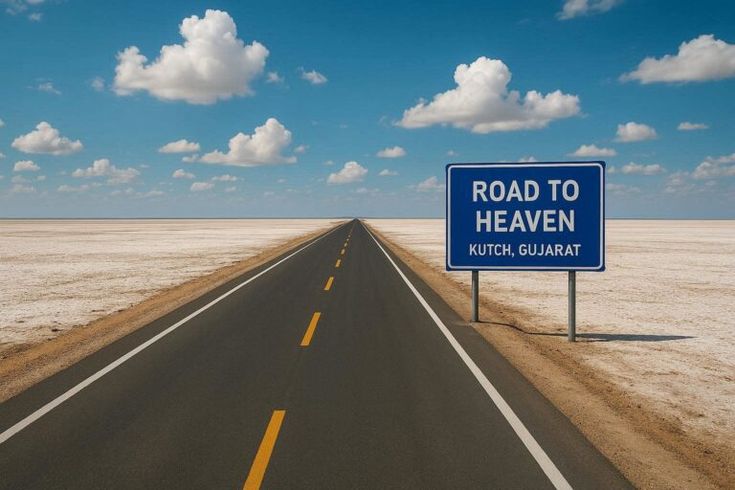
The Road to Heaven Dholavira route is easily one of the most surreal journeys I have experienced in India. While travelling through the Rann of Kutch, this long straight road stretches across endless salt flats, connecting the White Rann region to Dholavira, one of the most important archaeological sites of the Indus Valley Civilization.
Driving on this road feels almost unreal. The landscape around you looks empty and peaceful, with nothing but white salt desert stretching in every direction. At certain moments, especially during sunrise and sunset, the road almost seems to disappear into the horizon—making it truly feel like a road leading to the sky.
That is exactly why travellers call it the Road to Heaven.
During my journey through Kutch, this route became one of the most memorable parts of the trip.
What Is the Road to Heaven?

The Road to Heaven is a long elevated highway that runs through the Great Rann of Kutch while travelling from the Dhordo / White Rann region toward Dholavira. Driving here feels unique because the road cuts straight through the vast salt desert.
On both sides of the road, you see endless white salt plains stretching to the horizon. With almost no buildings, trees, or mountains around, the landscape feels peaceful, open, and incredibly surreal.
When sunlight reflects on the salt flats, the road sometimes looks like it is floating in the middle of the desert. The view becomes even more magical during sunrise and sunset, when the sky colours blend with the white landscape.
Unlike Kala Dungar, which is mainly a viewpoint, the Road to Heaven is an actual driving experience through the salt desert, making the journey to Dholavira truly unforgettable.
More details – Dholavira – Wikipedia
Route Overview: Road to heaven Dholavira
Bhuj → Dhordo / White Rann → Road to Heaven → Dholavira
The typical route most travellers follow is:
Bhuj → Dhordo / White Rann → Road to Heaven → Dholavira
The total distance from Bhuj to Dholavira is around 220 kilometres.
The journey usually takes 5 to 6 hours, depending on how often you stop for photography and breaks.
Most of the road conditions are good, with long straight highways cutting through the salt desert.
However, once you leave Bhuj city, fuel stations and food options become very limited.
During my trip, I made sure to refuel in Bhuj and carry enough water and snacks for the journey.
Planning ahead makes the experience much more comfortable.
Best Time to Experience Road to Heaven
The best time to travel this route is between October and March.
During these months, the weather in Kutch is pleasant and comfortable for long drives.
Winter also coincides with the Rann Utsav season, when many travellers visit the White Rann.
From my experience, the most magical moments on this road happen during sunrise and sunset.
The sky changes colours slowly, and the reflections on the salt flats create incredible views.
It is best to avoid travelling during the monsoon season (July to September) because some areas may become inaccessible due to flooding.
Dholavira – A Harappan City from 4,500 Years Ago
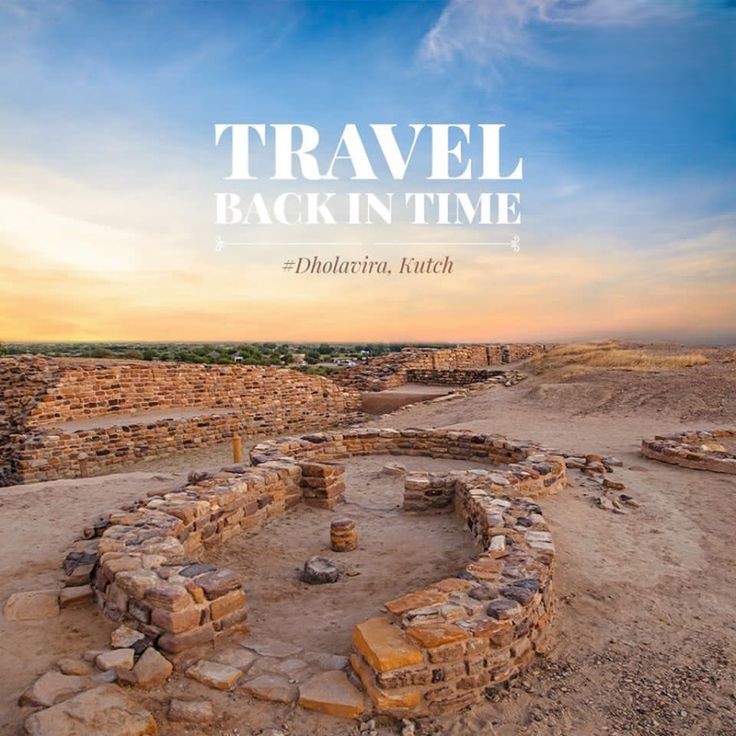
After the long drive through the Rann, the destination finally appears — Dholavira.
This ancient city is now a UNESCO World Heritage Site and one of the most important archaeological discoveries from the Indus Valley Civilization.
Standing in the ruins of Dholavira feels like stepping back thousands of years in history.
What makes Dholavira unique is the level of planning and engineering that existed here more than 4,500 years ago.
The city reveals remarkable examples of:
Advanced water conservation systems
Massive stone-built architecture
Well-planned reservoirs and drainage
Organised urban layouts
It is fascinating to see how advanced this ancient civilization was.
More historical information can be found here:
Dholavira – Wikipedia
Dholavira Excavation Site
TThe excavation area at Dholavira is spread across a large open landscape.
Walking through the ruins gives you a sense of how vast and well-planned this ancient city once was.
Some of the most interesting parts of the site include the citadel, middle town ruins, and large water reservoirs.
Stone pathways and urban structures are still visible, showing how the city was organized.
Informational boards around the site explain the engineering techniques used by the Harappan civilization.
While exploring, visitors are advised to respect the archaeological site and avoid climbing on the ancient structures.
Taking time to walk slowly through the ruins makes the experience much more meaningful.
Dholavira Museum
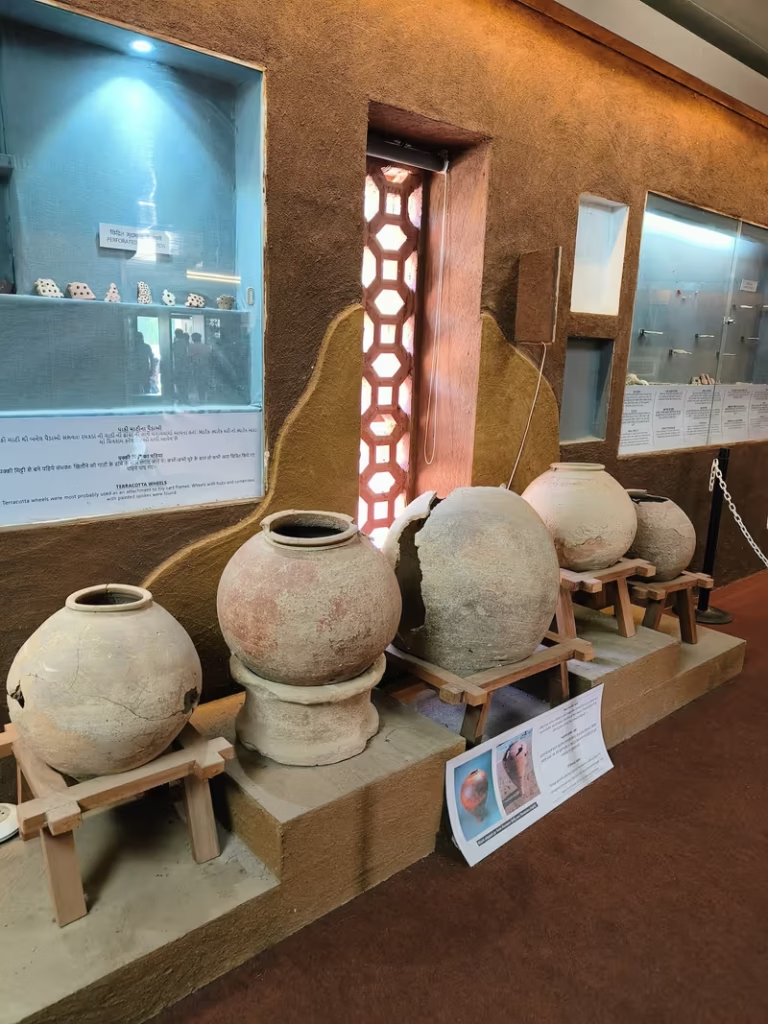
Near the excavation site, there is also a Dholavira Archaeological Museum that provides deeper insight into the history of the region.
Inside the museum, you can see several artefacts discovered during the excavations.
These include Harappan tools, pottery, seals, inscriptions, and models of the ancient city layout.
The museum helps visitors understand how people lived in Dholavira thousands of years ago.
During my visit, inside the museum helped me connect the ruins outside with the story of the Harappan civilization.
- Harappan tools and artefacts
- Seals, pottery, and inscriptions
- Maps and models of the ancient city
- Detailed explanations of daily Harappan life
Museum visit time: 45–60 minutes
Entry & Permissions
For Indian citizens, no special permit is required to visit Dholavira.
However, foreign travellers are usually asked to carry their passport and valid visa while visiting archaeological sites.
The permit required for visiting the White Rann salt desert is separate and is not needed for Dholavira itself.
It is always a good idea to carry a valid ID during travel across the Kutch region.
Where to Stay Near Dholavira
Accommodation options near Dholavira are limited but manageable.
You can stay in local homestays in Dholavira village, which offer a simple but authentic rural experience.
Another option is to stay in Bhuj, where hotels and facilities are much better.
During certain seasons, especially winter, there are also tent accommodations available near Dholavira.
Visitors should be prepared for limited electricity supply and weaker mobile networks in this remote area.
Photography Tips
If you enjoy photography, this journey offers incredible opportunities.
The long straight highway across the salt desert creates dramatic compositions.
Wide-angle lenses work best for capturing the vast landscape.
Early morning light enhances the texture of the salt flats and creates beautiful reflections.
Avoid photographing during midday when the sunlight becomes very harsh.
Also remember to protect your camera equipment from salt dust and strong wind.
Practical Travel Tips
From my experience, a few simple preparations can make this journey much easier.
Start early from Bhuj to enjoy cooler temperatures and better lighting.
Carry extra water and snacks because services are limited along the route.
Downloading offline maps is helpful since mobile networks may not always work.
Night driving is not recommended because the road passes through remote desert areas.
Most importantly, respect the archaeological rules while visiting Dholavira.
Frequently Asked Questions About Dholavira
1. Why is Dholavira famous?
Dholavira is a UNESCO World Heritage Site known for its well-preserved Harappan civilization ruins dating back over 4,000 years.
2. What is the Road to Heaven in Kutch?
The Road to Heaven is a scenic stretch near Dholavira surrounded by white salt desert landscapes, offering a surreal driving experience.
3. How far is Dholavira from Bhuj?
Dholavira is approximately 220 km from Bhuj and takes around 5–6 hours by road.
4. What is the best time to visit Road to Heaven & Dholavira?
Winter months between November and February are ideal due to comfortable weather conditions.
5. Can Dholavira be visited in one day?
It is possible as a long day trip, but an overnight stay is recommended for a relaxed experience.
Final Thoughts
In my experience, the Road to Heaven Dholavira journey felt far more than just another road trip. Driving through the endless white salt flats of the Rann of Kutch created a rare sense of silence and openness that I had never experienced before.
As the road stretched across the vast desert, the peaceful landscape and the changing colours of the sky made the journey feel almost surreal. It was one of those moments where the drive itself became as memorable as the destination.
Reaching Dholavira, with its 4,500-year-old Harappan ruins, added a powerful historical dimension to the experience. For me, this Road to Heaven route truly became one of the most unique and unforgettable travel journeys in India.
Planning a Complete Kutch Trip
For a detailed itinerary covering temples, beaches, villages, scenic drives, Dholavira, Mandvi, and heritage sites, see our Kutch Travel Guide.