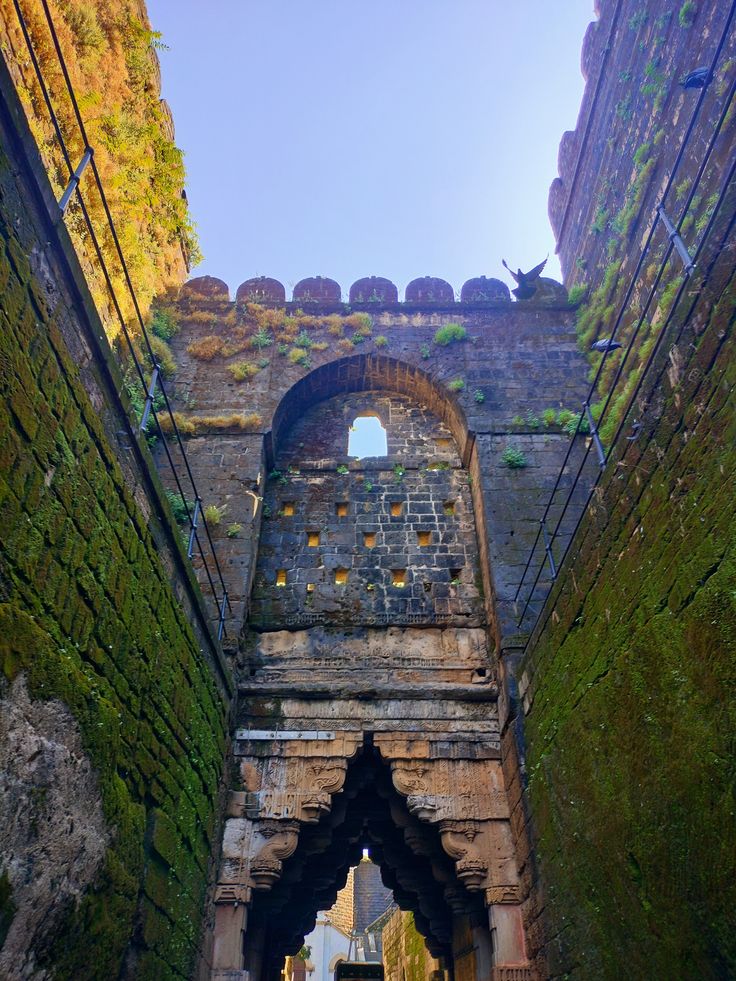

Uparkot Fort is one of the most iconic and historically significant places in Junagadh district, Gujarat. Located on a high plateau in the center of the city, this fort has been standing strong for more than 2,300 years. Visiting Uparkot Fort is not just about seeing ruins; it is about experiencing the deep history and legacy of ancient India. Every corner of the fort reflects stories of powerful rulers, brave soldiers, and remarkable engineering.
When I first visited Uparkot Fort, I immediately felt that this place was different from other historical sites. The massive entrance gate, thick stone walls, and quiet surroundings created a powerful atmosphere. It felt like stepping back in time, into an era when this fort protected the entire city of Junagadh. The fort still carries the strength and presence of its glorious past.
Location and Importance of Uparkot Fort in Junagadh
Uparkot Fort is located just about 2 kilometers from Junagadh city center, making it very easy to reach. It stands on a raised rocky hill, which gave ancient rulers a natural advantage in defending their territory. From the top of the fort, visitors can see beautiful views of Junagadh city and the distant Girnar Hill.
The location of Uparkot Fort was carefully chosen for both defense and observation. Ancient rulers could easily monitor enemy movements from this elevated position. This strategic advantage helped the fort survive many invasions and battles over centuries. Even today, standing on the fort walls gives a clear view of why this location was so important.
Uparkot Fort is not just a monument; it is one of the most valuable heritage sites in Junagadh district. It attracts tourists, history lovers, and photographers who want to experience the ancient charm of Gujarat.
History of Uparkot Fort: More Than 2,300 Years Old
The history of Uparkot Fort dates back to around 319 BCE, during the time of the Mauryan Empire. It is believed that the fort was originally built under Chandragupta Maurya, one of India’s greatest emperors. During this time, Junagadh was already an important center due to its proximity to Girnar Hill and trade routes.
Over time, the fort was abandoned and later rediscovered by the Chudasama Rajput rulers. They made Uparkot Fort their capital and strengthened its structure. The Rajputs understood the importance of water and defense, so they built advanced water systems inside the fort. These systems helped the fort survive during long enemy sieges.
In the 15th century, the fort faced one of its most famous attacks by Sultan Mahmud Begada of Gujarat. The siege lasted many years, showing how strong and well-prepared the fort was. Eventually, Mahmud Begada captured the fort and improved its defenses further.
Later, the Nawabs of Junagadh used Uparkot Fort as a military and administrative center. They preserved many of its structures, allowing future generations to experience its history. Today, the fort stands as a proud symbol of Junagadh’s rich heritage.
Walking Inside the Fort: A Journey Through Time
Entering Uparkot Fort feels like entering a different era. The stone pathways, broken walls, and ancient structures create a powerful historical atmosphere. As I walked inside, I could imagine soldiers guarding the fort and rulers making important decisions here.
The fort covers a large area, and every section has something unique to offer. Some parts are open spaces, while others contain ruins of old buildings. The silence inside the fort adds to its mysterious and peaceful environment.
Visitors can explore the fort freely and discover its many historical features. It is a perfect place for those who enjoy history, photography, and exploration.
Adi-Kadi Vav: A Remarkable Stepwell of Ancient India
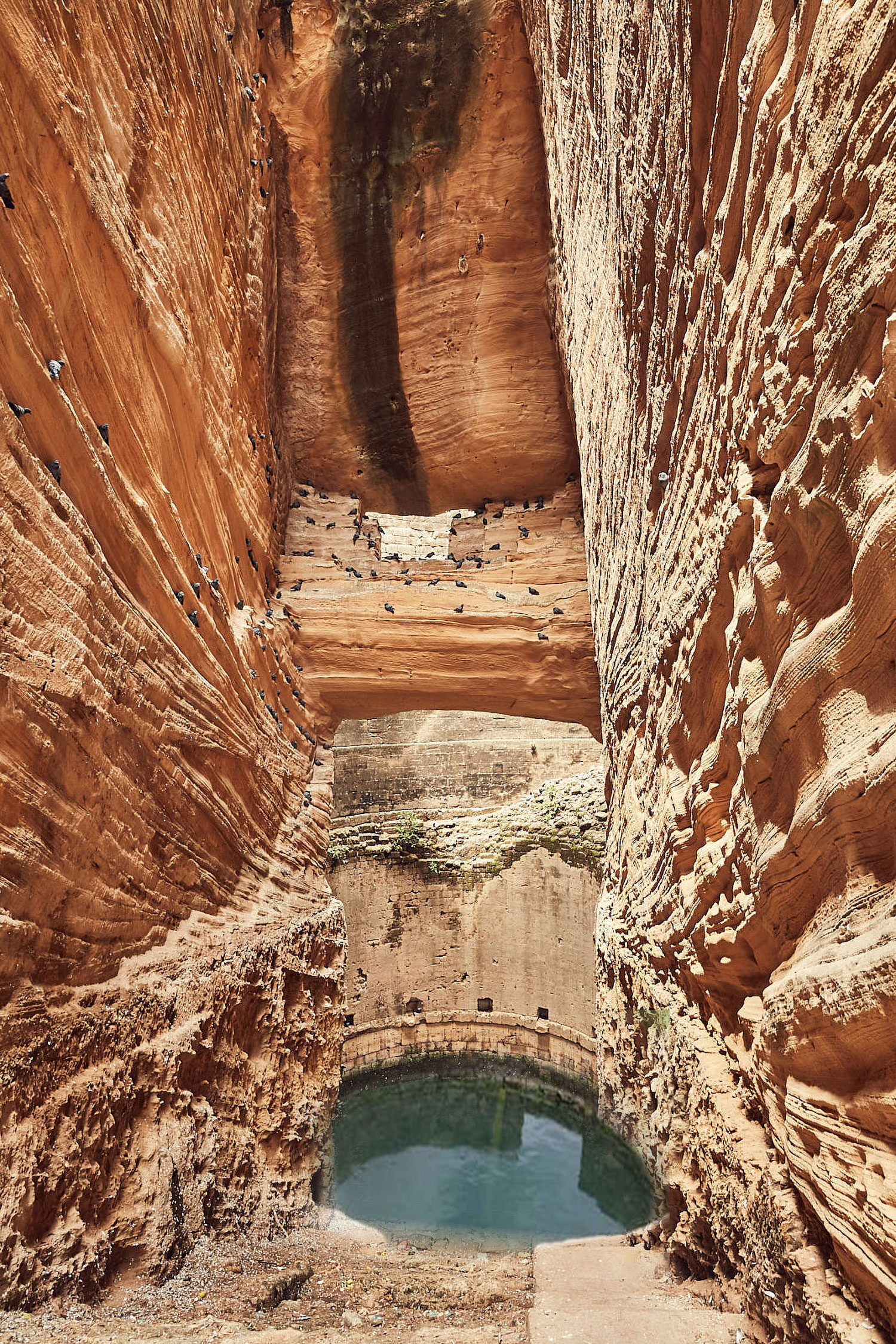
One of the most fascinating structures inside Uparkot Fort is Adi-Kadi Vav, an ancient stepwell carved directly into solid rock. Unlike other stepwells built using stones, this one was carved vertically into the ground. This shows the incredible engineering skills of ancient builders.
Walking down the steps of Adi-Kadi Vav, I could feel how deep and well-designed it was. This stepwell was essential for storing water, especially during droughts and wars. Water was the most important resource for survival, and this structure ensured that the fort had a reliable supply.
Adi-Kadi Vav is not just a water structure; it is a symbol of ancient innovation. It shows how people in the past used smart techniques to solve difficult problems.
Navghan Kuwo: An Engineering Marvel of the Fort
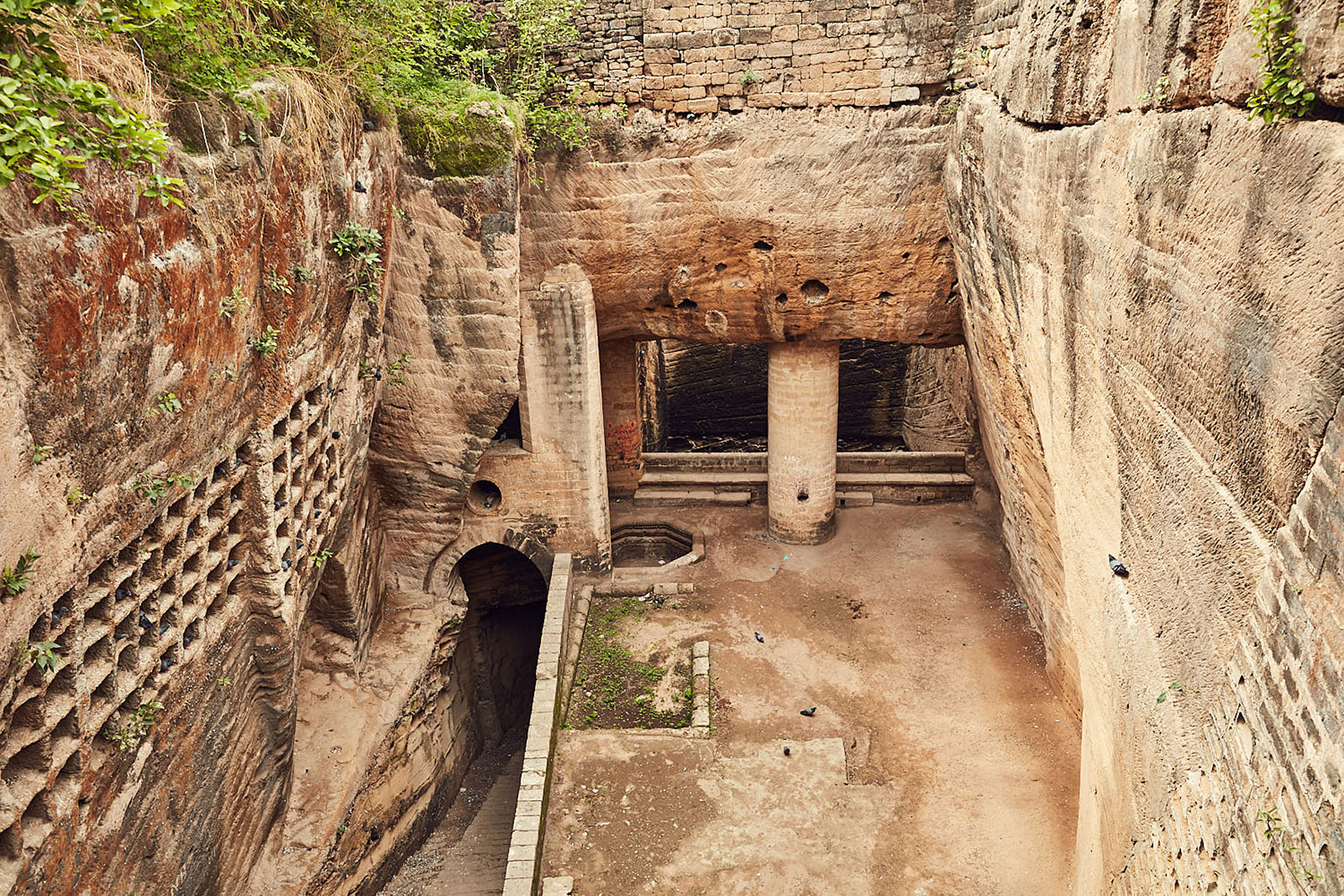
Navghan Kuwo is another impressive water structure inside Uparkot Fort. It is a deep circular well with a spiral staircase that leads down to the water. This design allowed people to safely access water even during emergencies.
Looking down into Navghan Kuwo, I realized how important water planning was for ancient forts. Without water, the fort could not survive long sieges. This well ensured that soldiers and residents had access to water at all times.
Navghan Kuwo is one of the best examples of ancient water management in India. It continues to impress visitors with its design and purpose.
Buddhist Caves: A Glimpse of Ancient Spiritual Life

Inside Uparkot Fort, there are ancient Buddhist caves that date back more than 2,000 years. These caves were used by Buddhist monks for meditation and religious practices. The simple design of the caves reflects the peaceful lifestyle of monks.
The caves contain carved pillars and chambers, showing early examples of rock-cut architecture. Standing inside these caves, I felt a strong sense of calm and history. It was amazing to think that monks once lived and meditated here.
These caves prove that Junagadh was not only a military center but also a spiritual and cultural hub.
Ancient Cannons: Symbols of Defense and Power

Uparkot Fort also contains large cannons that were used for defense. These cannons were placed on the fort walls to protect against enemy attacks. One of the most famous cannons is the Nilam Cannon, which was brought from outside India.
Seeing these cannons made me realize how important military strength was in ancient times. These weapons helped protect the fort and its people. They also show how advanced military technology was during medieval times.
The cannons remain one of the most popular attractions for visitors.
Scenic Views From Uparkot Fort
One of the best experiences at Uparkot Fort is enjoying the scenic views. From the top of the fort, visitors can see Junagadh city spread across the landscape. The distant Girnar Hill adds to the beauty of the view.
The fort’s elevated position makes it a perfect place for photography. Sunrise and sunset views from the fort are especially beautiful. The peaceful environment makes it a relaxing place to spend time.
Many visitors enjoy simply walking around and taking in the views.
Best Time to Visit Uparkot Fort
The best time to visit Uparkot Fort is between October and March. During this period, the weather is pleasant and comfortable for exploring. Summer months can be very hot, making walking difficult.
Morning and evening are the best times of day to visit. The lighting is also ideal for photography during these hours. Visiting early helps avoid crowds and heat.
Winter season provides the best overall experience.
How to Reach Uparkot Fort Junagadh
Uparkot Fort is easily accessible from anywhere in Junagadh city. Visitors can reach the fort by auto-rickshaw, taxi, or private vehicle. The fort is located just a short distance from the railway station.
Junagadh Junction is the nearest railway station, and Rajkot International Airport is the nearest airport. From there, visitors can travel by road to Junagadh.
The fort’s central location makes it easy to include in your travel plan.
Travel Tips from My Experience
When visiting Uparkot Fort, it is best to wear comfortable walking shoes. The fort area is large, and exploring it requires walking. Carrying water is also important, especially during warm weather.
Take your time exploring the fort and its structures. Reading about its history before visiting can make the experience more meaningful. Respect the monument and avoid damaging any structures.
Photography lovers should bring a camera to capture the beautiful views.
Book your ticket online if possible – Uparkot Fort Ticket Booking – Uparkot Fort
Why Uparkot Fort is a Must-Visit in Junagadh District
Uparkot Fort is one of the most important historical attractions in Junagadh district. It offers a rare opportunity to experience ancient Indian history firsthand. The fort’s structures, stepwells, caves, and cannons make it unique.
Visiting Uparkot Fort helps visitors understand the rich heritage of Junagadh. It connects the present with the past in a powerful way.
It is truly one of the most unforgettable places in Gujarat.
Frequently Asked Questions About Uparkot Fort Junagadh
1. How old is Uparkot Fort and who built it?
Uparkot Fort is more than 2,300 years old and was originally built around 319 BCE during the Mauryan Empire. Over time, it was expanded and used by Rajput rulers, Gujarat Sultanate, Mughals, and Nawabs of Junagadh. Its long history makes it one of the oldest and most important forts in Gujarat.
2. What are the main attractions inside Uparkot Fort?
The fort is famous for Adi-Kadi Vav, Navghan Kuwo, ancient Buddhist caves, and large cannons like Nilam Cannon. These structures show advanced engineering and military planning of ancient times. Visitors can also enjoy scenic views of Junagadh city and explore the historic ruins inside the fort.
3. Why are Adi-Kadi Vav and Navghan Kuwo important?
These stepwells were built to provide water during droughts and enemy sieges. Adi-Kadi Vav is carved directly into rock, while Navghan Kuwo has a spiral staircase leading to the well. They demonstrate the advanced water management systems used in ancient forts.
4. How much time is required to explore Uparkot Fort?
Most visitors need about 1.5 to 2 hours to explore Uparkot Fort comfortably. This allows enough time to visit the stepwells, caves, cannons, and viewpoints. History lovers and photographers may spend more time exploring the fort in detail.
5. What are the visiting timings of Uparkot Fort?
Uparkot Fort is generally open from around 8:00 AM to 6:00 PM every day. It is best to visit in the morning or evening when the weather is cooler. This also provides better lighting for photography and sightseeing.
6. Is Uparkot Fort Worth visiting in Junagadh district?
Yes, Uparkot Fort is one of the top historical attractions in Junagadh district. It offers a unique experience with ancient architecture, stepwells, caves, and scenic views. It is an essential place to visit for anyone exploring Junagadh.
7. How far is Uparkot Fort from Junagadh city center?
Uparkot Fort is located about 2 kilometers from Junagadh city center. It can be easily reached by auto-rickshaw, taxi, or private vehicle. The fort is conveniently accessible for tourists visiting Junagadh.
Planning a Complete Junagadh Trip
For a detailed guide covering Girnar Hill, temples, heritage monuments, and hidden places, see our Junagadh District Travel Guide.