The royal Junagadh heritage reflects the grandeur of the Nawabs through monuments like Mahabat Maqbara and Darbar Hall Museum. When I first saw Mahabat Maqbara in Junagadh, I genuinely stopped walking for a moment.
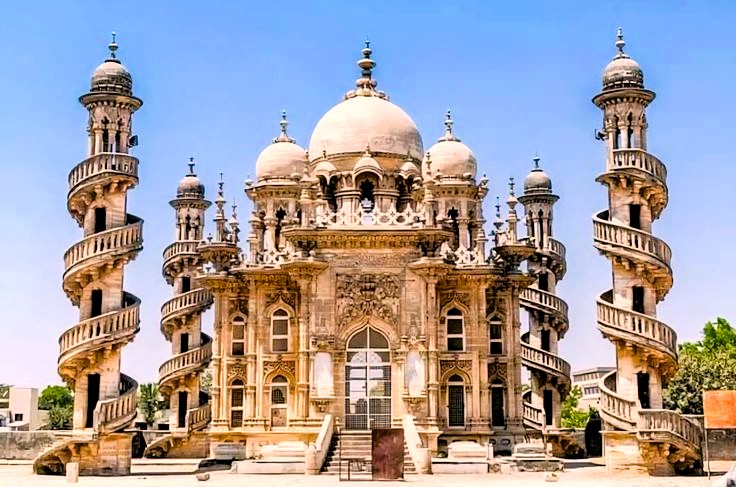
The structure did not look like a typical Indian monument. The spiral staircases curling around tall minarets, the intricate carvings, and the unusual blend of architectural styles made it feel almost European yet deeply rooted in Gujarat’s history.
Many people visit Junagadh for Girnar Hill and Uparkot Fort, but the royal Junagadh heritage reveals a completely different story. It speaks about Nawabs, royal courts, artistic ambition, and architectural creativity.
Exploring Mahabat Maqbara and Darbar Hall allowed me to understand the refined and elegant side of royal Junagadh heritage.
Understanding the Royal Junagadh heritage (History)
Before visiting these monuments, I wanted to understand the history behind them. Junagadh was once ruled by the Babi dynasty Nawabs during the princely state era under British India.
The Nawabs were known for their administrative strength and interest in architecture. Their influence shaped much of the royal Junagadh heritage that still survives today.
Unlike earlier dynasties that focused mainly on forts and temples, the Nawabs introduced Indo-Islamic and European architectural influences. This cultural blend can be clearly seen in Mahabat Maqbara and the Darbar Hall complex.
Mahabat Maqbara – The Most Unique Monument in Junagadh

Standing in front of Mahabat Maqbara feels surreal. The monument was built in the late 19th century as a mausoleum for Nawab Mahabat Khan II and members of the royal family. But it does not look like a traditional mausoleum.
The first thing that caught my attention was the spiral staircases wrapped around the minarets. They are open, decorative, and incredibly detailed. The carvings on the façade include floral patterns, arches, and European-style elements.
It felt like the architect combined Gothic, Islamic, and Indo-European designs into one bold structure. The monument does not follow strict symmetry like Mughal buildings. Instead, it feels expressive and artistic.
Walking around Mahabat Maqbara, I noticed how sunlight creates dramatic shadows on the carvings. It is a photographer’s dream.
Architectural Details That Impressed Me
The balconies, windows, and decorative domes reflect extraordinary craftsmanship. Every corner of Mahabat Maqbara seems carefully designed. The blend of Islamic minarets with European-style windows makes it unique in Gujarat.
I spent nearly an hour simply observing the details. The monument feels different depending on the angle you look from. The spiral staircases especially add movement and drama to the structure.
Unlike large Mughal tombs, Mahabat Maqbara feels compact yet visually intense. It stands proudly in the middle of the city, quietly telling the story of Junagadh’s Nawabi era.
Why Mahabat Maqbara Is So Photogenic
For photography lovers, Mahabat Maqbara is one of the most visually interesting monuments in Junagadh.
The pale-yellow stone contrasts beautifully with the blue sky, especially in the morning. The spiral staircases also create dramatic shadows as sunlight moves across the façade.
Because of its unusual architecture, Mahabat Maqbara has become one of the most recognizable landmarks connected with royal Junagadh heritage.
DarbarHall Museum – Where Royal Decisions Were Made

After visiting Mahabat Maqbara, I walked toward Darbar Hall Museum. Unlike the decorative style of the maqbara, the Darbar Hall building reflects colonial-era architecture with elegant proportions and a more structured design.
The exterior feels refined and balanced, almost like a reminder of Junagadh’s administrative past. Once inside, the atmosphere changes completely. The museum displays royal artifacts used by the Nawabs of Junagadh.
The hall itself was once used for official gatherings and administrative meetings. Standing there, I imagined the Nawab seated on the throne while important decisions about the state were discussed.
This place represents another important chapter in the story of royal Junagadh heritage, where governance, diplomacy, and royal authority shaped the history of the region.
Royal Artifacts Inside Darbar Hall
Inside the museum, I saw royal furniture, silver chairs, chandeliers, weapons, portraits, and personal belongings of the Nawabs. The collection provides insight into royal lifestyle and governance.
The chandeliers hanging from the ceiling create a grand atmosphere. The throne area is especially impressive. It reflects power, authority, and regal dignity.
Unlike modern museums, Darbar Hall feels intimate. It gives a closer look at the personal and political life of Junagadh’s rulers.
For anyone exploring royal Junagadh heritage, this Museum is the centerpiece.
Comparing Mahabat Maqbara and Darbar Hall
What makes exploring both places interesting is the contrast. Mahabat Maqbara represents royal memory and artistic expression. Darbar Hall represents royal power and governance.
One reflects emotion and design. The other reflects authority and structure. Visiting both in the same day gives a complete picture of royal Junagadh heritage.
How to Plan Your Royal Heritage Visit in Junagadh
Both Mahabat Maqbara and Darbar Hall are located within Junagadh city, making them easy to access. You can comfortably explore both within half a day.
Morning visits are recommended for better lighting and fewer crowds. Carry water and spend time observing architectural details.
Combining this visit with Uparkot Fort creates a complete historical experience.
Best Time to Explore Royal Junagadh Heritage
October to March is the best time. The weather is pleasant and suitable for walking around heritage monuments.
Avoid peak afternoon heat during summer months. Early morning photography is ideal at Mahabat Maqbara.
Why Royal Junagadh Heritage Feels Underrated
Compared to major heritage cities in India, Junagadh’s royal monuments receive less attention. But that is also what makes them special.
The experience feels less commercial and more authentic. You can explore calmly without heavy tourist crowds.
Royal Junagadh heritage offers depth, history, and architectural uniqueness in a peaceful environment.
Frequently Asked Questions About Royal Junagadh Heritage
Is Mahabat Maqbara worth visiting?
Yes, Mahabat Maqbara is one of the most unique architectural monuments in Gujarat. Its spiral staircases and fusion design make it visually extraordinary. It is a must-visit for architecture and photography lovers.
How much time is needed to explore Darbar Hall Museum?
You can explore Darbar Hall Museum in about 45 minutes to 1 hour. The exhibits are well organized and easy to view. Taking time to read descriptions enhances the experience.
Can both places be visited in one day?
Yes, Mahabat Maqbara and Darbar Hall are close to each other. They can be comfortably covered in half a day. Many visitors combine them with Uparkot Fort in a single itinerary.
Final Thoughts on Royal Junagadh Heritage
Exploring Mahabat Maqbara and Darbar Hall changed the way I viewed Junagadh. Beyond temples and mountains, the city has a refined royal history that deserves attention.
The architectural boldness of Mahabat Maqbara and the regal atmosphere of Darbar Hall together create a powerful historical narrative. If you want to understand the full identity of Junagadh district, you must explore its royal heritage.
Junagadh is not just ancient. It is royal, artistic, and culturally layered.
Planning a Complete Junagadh Trip
For a detailed guide covering Girnar Hill, temples, heritage monuments, and hidden places, see our Junagadh District Travel Guide.