This Diu Travel Guide 2026 is based on my complete personal experience; I expected a simple beach destination. I imagined sandy shores, a peaceful fort, and maybe a quiet sunset. What I didn’t expect was how deeply layered the experience would be. Diu is not just a coastal town. It is a place where Portuguese colonial heritage, Indian spirituality, Arabian Sea landscapes, and slow island life exist in perfect balance.
Unlike Goa, Diu does not overwhelm you with nightlife. Unlike major tourist beaches, it does not feel commercial. And unlike purely historical cities, it does not feel crowded with monuments. Instead, Diu reveals itself slowly. The more time you spend here, the more it opens up.
In this complete Diu travel guide 2026, I am sharing my full personal journey across the island — walking through the mighty Diu Fort, standing inside centuries-old churches, feeling the waves touch Shivlings at Gangeshwar Temple, relaxing at Nagoa Beach, discovering Naida Caves, and watching sunsets that felt almost unreal.
If you are planning your Diu trip in 2026, this guide will help you understand not just where to go — but how it truly feels to experience this island.
Arriving in Diu – The First Feeling of Calm
As I drove into Diu, crossing the bridge that connects it to mainland Gujarat, something changed instantly. The traffic reduced. The buildings looked different. Palm trees lined the roads. The air felt lighter.
There is a subtle Portuguese character in Diu’s architecture. You see pastel-colored houses, arched windows, and colonial-style balconies. Even the town planning feels slightly European compared to typical Indian coastal towns.
My first evening in Diu, I didn’t rush to see anything. I simply walked along the coastal road near the fort area. The wind was strong, and the sea stretched endlessly. There were very few people around. No loud music. No chaos.
That was the moment I understood — Diu is meant to be experienced slowly.
Diu Fort – Where History Meets the Arabian Sea

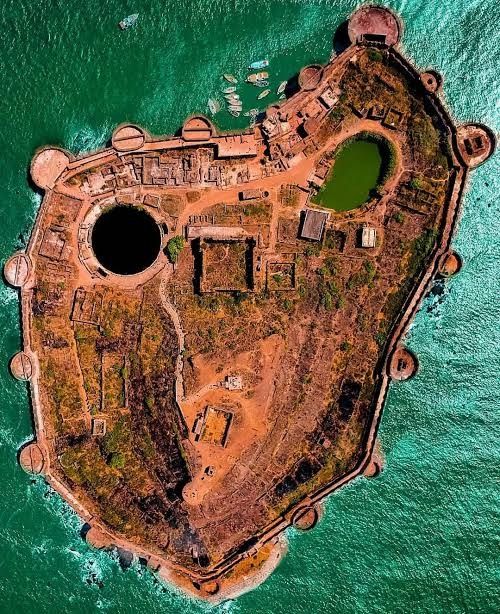
The next morning, I started my exploration at Diu Fort, and it immediately became one of the most memorable highlights of my Diu Travel Guide 2026 journey. Built in 1535 by the Portuguese, Diu Fort was designed as a powerful defensive structure to protect the island from invasions. What makes the fort truly extraordinary is its dramatic location along the edge of the Arabian Sea, surrounded by water on three sides.
As I entered through its massive stone gateway, I could almost feel the weight of history in the air. The thick stone walls looked strong and timeless, while the old cannons still pointed toward the sea as if they were guarding the coastline even today.
Walking along the ramparts of the fort, I watched waves crashing against the outer walls, creating a constant and powerful sound. At certain points, the sea spray reaches the stone surfaces, reminding visitors that this fort has been facing the force of nature for centuries.
I climbed up one of the watchtowers and stood there quietly for a moment, taking in the breathtaking view. From that height, the Arabian Sea appeared endless, with a sharp horizon stretching far into the distance. The wind was strong and refreshing, adding to the feeling of standing at an important historical site.
Inside the fort, there are old tunnels, open courtyards, and hidden passages waiting to be explored. Some corners feel mysterious while others offer peaceful views of the sea. It is not just a monument to visit quickly; it feels like a place filled with stories from the past.
I ended up spending nearly two hours exploring Diu Fort without even noticing how quickly time passed. The experience felt immersive and meaningful rather than rushed sightseeing, making it one of the most unforgettable moments of my trip.
Naida Caves – Unexpected Beauty Hidden in Stone

After exploring the fort, I walked toward Naida Caves, which turned out to be one of the most visually fascinating places in Diu. At first glance, the entrance looks simple, but once inside, the caves reveal a surprisingly dramatic landscape of stone formations.
The caves were formed through a mix of natural erosion and stone extraction during the Portuguese period when materials were taken from here to build Diu Fort. Today, what remains is a maze of rugged rock formations, open ceilings, and narrow passageways that create an almost mysterious atmosphere.
As I stepped deeper inside, sunlight streamed through natural openings above, casting beautiful patterns of light and shadow on the stone walls. Every corner looked different. Some sections felt narrow and intimate, while others opened into wider spaces with striking rock textures.
What made the experience even more special was the quiet environment. Very few visitors were there, which made the exploration peaceful and immersive. The caves almost felt cinematic, and if you enjoy photography, this place offers endless creative angles.
Naida Caves are a perfect reminder that the Diu Travel Guide 2026 experience is not limited to beaches and forts. The island also hides unexpected geological beauty waiting to be discovered.
St. Paul’s Church – A Masterpiece of Colonial Architecture

One of the most breathtaking landmarks mentioned in my Diu Travel Guide 2026 is St. Paul’s Church. This historic church is not only a place of worship but also one of the finest examples of Portuguese architecture in India.
Built in 1610, St. Paul’s Church reflects the elegant Baroque architectural style introduced by the Portuguese during their rule. The bright white façade is covered with intricate carvings, floral patterns, and ornamental details that immediately capture your attention.
When I stood in front of the church, I was amazed by the craftsmanship. It does not look like a simple religious building. Instead, it feels like a carefully sculpted work of art that has stood gracefully for centuries.
Stepping inside the church creates a completely different atmosphere. The air feels cooler and calmer, and the silence adds to the sacred environment. The beautifully designed wooden altar and the soft light filtering through the windows make the interior feel peaceful and spiritual.
Even if you are not visiting for religious reasons, St. Paul’s Church is still an essential stop when exploring Diu. It represents the soul of colonial heritage and reflects the cultural history that makes the island unique.
St. Thomas Church Museum – Preserving the Past

Just a short distance away from St. Paul’s Church is St. Thomas Church, a historic structure that has now been converted into a museum. Visiting this place felt different from the other monuments in my Diu Travel Guide 2026 journey because it focuses more on preserving history rather than showcasing architecture alone.
Walking inside the building felt like stepping into a carefully preserved memory from the past. The interior is calm and quiet, allowing visitors to explore the exhibits without distraction. Statues, religious artifacts, wooden carvings, and historical items are displayed neatly across the hall.
Many of the sculptures inside represent saints and religious figures from the Portuguese era. Some statues are large and impressive, while others are smaller but equally detailed. The craftsmanship reflects the artistic traditions that arrived in Diu during colonial rule.
What makes the museum interesting is how it connects the island’s past with the places you explore outside. After visiting Diu Fort and the churches, the museum helps you understand the deeper cultural and historical influence that shaped the island.
By the time I finished exploring the exhibits, everything I had seen in Diu — the fort, the churches, and even the streets — began to feel connected as part of one coherent historical story.
Gangeshwar Temple – Where the Sea Worships Shiva

If there is one place in Diu that touched me spiritually during my journey, it was Gangeshwar Mahadev Temple. This sacred spot stands quietly along the rocky shoreline, away from the busier tourist areas of the island. Visiting this temple became one of the most memorable moments of my Diu Travel Guide 2026 experience.
The temple is dedicated to Lord Shiva and is known for its five sacred Shivlings placed right at the edge of the sea. According to local belief, these Shivlings were established by the Pandavas during their exile. What makes the place truly extraordinary is how closely it connects spirituality with nature.
During high tide, waves from the Arabian Sea flow directly over the Shivlings. Watching this natural ritual was deeply moving. It almost felt as if the sea itself was performing abhishek for Lord Shiva, creating a powerful spiritual atmosphere that words can hardly describe.
I visited the temple during the evening hours when the sky was slowly turning shades of orange and gold. The wind coming from the sea was strong but refreshing, and the entire area felt calm and peaceful. A few devotees were sitting nearby in silent prayer, simply watching the waves touch the sacred stones.
There were no loud chants or overwhelming crowds here. Instead, the only sound that filled the space was the rhythmic movement of waves meeting the rocky shore. That simplicity made the moment feel even more meaningful.
Spending time at Gangeshwar Temple reminded me that spirituality in Diu is quiet and natural rather than grand or overwhelming. For me, it became one of the most peaceful and unforgettable experiences of the entire Diu Travel Guide 2026 journey.
Nagoa Beach – Relaxed and Balanced

Nagoa Beach is easily the most popular beach in Diu, yet it still manages to feel calm, organized, and clean. Unlike many crowded coastal destinations, the atmosphere here feels controlled rather than chaotic. Visiting this beach became one of the relaxing highlights of my Diu Travel Guide 2026 journey.
The beach itself has a wide, gentle curve lined with soft sand and palm trees. The waters are usually calm, which makes the beach suitable for swimming and casual seaside walks. During sunset, I walked barefoot along the shoreline while watching families and travelers enjoying the cool evening breeze.
Water sports such as jet skiing and parasailing are available here for those seeking a bit of adventure. However, these activities do not dominate the entire beach. The space still feels balanced, allowing visitors to either enjoy thrilling rides or simply relax by the sea.
One morning, I returned to the beach early and spent some quiet time just sitting near the waves. The soft rhythm of the sea, combined with the peaceful atmosphere, created a moment of pure calm. Sometimes the simplest experiences become the most memorable parts of travel.
For me, those quiet minutes by the water became one of the most meaningful memories of my Diu Travel Guide 2026 experience.
Ghoghla Beach – Wide, Quiet, and Expansive

Ghoghla Beach felt noticeably different from Nagoa Beach during my visit. While Nagoa attracts more travelers and activities, Ghoghla offers a wider shoreline and a calmer atmosphere. This contrast made it one of the most peaceful spots I discovered while exploring places in my Diu Travel Guide 2026.
I arrived early in the morning, just after sunrise. The beach was almost empty, with only a few distant visitors walking along the sand. The soft golden light spread across the shoreline, reflecting beautifully on the gentle waves.
The sea here felt slightly stronger than at Nagoa, creating a natural rhythm as the waves rolled steadily toward the shore. The wide stretch of sand and open horizon gave the entire place a raw and untouched feeling.
Walking along Ghoghla Beach felt incredibly relaxing. With fewer crowds and more open space, it becomes the perfect location for long peaceful walks, quiet reflection, and photography.
For travelers who enjoy calm landscapes rather than busy beach activities, Ghoghla Beach stands out as one of the most beautiful and underrated places in my Diu Travel Guide 2026 experience.
Chakratirth Beach – My Favorite Sunset Spot

Chakratirth Beach quickly became my personal favorite place during my Diu Travel Guide 2026 journey. Unlike some of the larger beaches on the island, this spot feels more intimate and naturally beautiful.
The beach is surrounded by rocky formations and patches of greenery, which give the landscape a unique character. Instead of wide-open sand, the scenery here feels more dramatic and scenic, making it one of the best sunset locations in Diu.
I arrived just before sunset and found a quiet place near the rocks to sit and watch the horizon. As the sun slowly dipped below the sea, the sky transformed into beautiful shades of orange, pink, and purple. The calm water reflected those colors perfectly, creating a peaceful and almost magical atmosphere. With fewer crowds around, the entire moment felt quiet, relaxed, and deeply memorable.
For me, Chakratirth Beach was not just another beach stop — it became one of the most special experiences of my Diu Travel Guide 2026.
INS Khukri Memorial – A Moment of Reflection

Another meaningful place I visited during my Diu Travel Guide 2026 journey was the INS Khukri Memorial. This memorial stands as a tribute to the brave Indian Navy sailors who sacrificed their lives during the 1971 Indo-Pak war.
Located on a peaceful cliffside near Chakratirth Beach, the memorial overlooks the vast Arabian Sea. The setting itself adds a powerful emotional weight to the experience. Standing there quietly, looking toward the horizon, I felt a deep sense of respect and reflection.
The memorial is dedicated to INS Khukri, a naval ship that sank during the war, and it honors the courage and sacrifice of the sailors who served aboard it. The structure is simple yet powerful, designed to remind visitors of the bravery and dedication of the Indian Navy.
What struck me the most was the calm atmosphere surrounding the site. Unlike busy tourist attractions, the memorial feels quiet and dignified. Visitors often pause here for a few moments of silence while looking out toward the sea.
For me, this place added an important layer to my Diu Travel Guide 2026 experience. It reminded me that the story of Diu is not only about colonial forts, beaches, and scenic landscapes, but also about national pride and sacrifice.
Complete Planning Tips in This Diu Travel Guide 2026
2-Day Diu Itinerary (Perfect Short Trip)
Day 1 – Heritage and Sunset
Start your morning at Diu Fort and spend time exploring the sea-facing walls and viewpoints. After that, visit Naida Caves nearby for about 30–45 minutes. Continue to St. Paul’s Church and St. Thomas Museum to understand the Portuguese history of Diu.
In the evening, head to Gangeshwar Temple and experience the peaceful atmosphere near the sea. End your day at Chakratirth Beach to enjoy a beautiful sunset before dinner near Nagoa Beach.
Day 2 – Beaches and Relaxation
Begin your day at Nagoa Beach for swimming or light water sports. Spend relaxed time walking along the shore. Later, visit Ghoghla Beach for a quieter and wider beach experience.
In the afternoon, stop at the INS Khukri Memorial and spend a few reflective moments overlooking the sea. Keep your evening flexible for a relaxed dinner or another sunset view.
3-Day Relaxed Itinerary Option
If you have an extra day, use it to slow down. Spend more time at the beaches, explore local streets, enjoy seafood, and revisit your favorite place. A third day allows you to experience Diu without rushing.
Ideal Timing for Each Attraction
Diu Fort: 1.5–2 hours
Naida Caves: 45 minutes
St. Paul’s Church: 30–40 minutes
St. Thomas Museum: 30 minutes
Gangeshwar Temple: 30–45 minutes
Nagoa Beach: 2–3 hours
Ghoghla Beach: 1–2 hours
INS Khukri Memorial: 20–30 minutes
Food Experience in Diu – Vegetarian Traveler
During my trip, one of the things I was curious about was food. Since Diu is a coastal destination with Portuguese history, I initially assumed the cuisine would revolve mostly around seafood. However, as a vegetarian traveler, I was relieved to discover that finding good vegetarian food was not difficult at all.
In this Diu Travel Guide 2026, I want to clarify that while seafood is popular here, vegetarian options are widely available and satisfying. Most restaurants near Nagoa Beach and the main town serve Gujarati thalis, North Indian meals, and simple South Indian dishes. I personally enjoyed a fresh Gujarati thali that included dal, seasonal vegetables, roti, rice, and farsan. The food felt light and comforting after a long day of sightseeing.
Even beachside restaurants offer paneer dishes, veg biryani, and continental vegetarian meals. Dining in Diu feels relaxed rather than rushed. You can sit comfortably, enjoy the sea breeze, and take your time without feeling pressured to vacate your table. The overall food experience in Diu is simple, peaceful, and suitable for vegetarian travelers.
Food Experience in Diu – A Non-Vegetarian Traveler
Food in Diu turned out to be one of the most memorable parts of my trip. In this Diu Travel Guide 2026, I must mention that the island’s coastal cuisine truly stands out, especially for non-vegetarian travelers. Since Diu sits along the Arabian Sea and carries Portuguese influence, seafood naturally plays a central role in its culinary identity.
Seafood is the highlight here, and I personally tried freshly grilled fish at a small restaurant near Nagoa Beach. The preparation was simple — light coastal spices, lemon, and herbs — allowing the freshness of the fish to shine. The flavor felt clean and authentic rather than overly spicy or heavy.
I also tasted prawn curry with rice, which had a mild yet rich coastal character. Unlike creamy Goan curries, this version felt more balanced and subtly spiced. The seafood in Diu is usually fresh, and most restaurants prepare dishes only after ordering, which enhances taste and quality.
Dining in Diu feels relaxed and unhurried. Many beachside restaurants offer open-air seating where you can enjoy seafood while listening to the sound of waves. For non-vegetarian travelers following this Diu Travel Guide 2026, the island provides a simple yet satisfying coastal food experience.
Where to Stay in Diu – Budget vs Mid-Range vs Premium Experience
Accommodation in Diu offers a good balance between affordability and comfort. Since the island is compact, most hotels are conveniently located near beaches or major attractions.
During my visit, I stayed near Nagoa Beach because it allowed easy access to both beaches and heritage sites. Budget hotels in Diu are clean and comfortable, ideal for short trips focused mainly on exploration. If your priority is sightseeing rather than luxury facilities, these options work perfectly.
Mid-range hotels offer better room interiors, swimming pools, and closer proximity to the beach. These are suitable for couples and families who prefer slightly more comfort. There are also a few premium properties with sea-facing rooms and resort-style settings. While Diu does not have ultra-luxury five-star resorts like Goa, the available higher-end stays are peaceful and well maintained.
As mentioned in this Diu Travel Guide 2026, booking in advance is recommended during winter months and long weekends because availability can reduce quickly.
Transportation in Diu – Moving Around the Island
Getting around Diu is simple and convenient because the island is relatively small. Distances between major attractions are short, making local travel easy.
I personally rented a scooter, which gave me complete flexibility to explore at my own pace. Roads are smooth, traffic is light, and navigation is straightforward. For first-time visitors, renting a two-wheeler is one of the best ways to explore comfortably.
Auto rickshaws and taxis are available, but they may be less flexible compared to personal rental vehicles. If you are traveling from outside Gujarat, the nearest railway station is Veraval, from where taxis are easily accessible. Diu also has a small airport with limited flight connectivity.
For most travelers following this Diu Travel Guide 2026, road travel remains the most convenient option.
Local Culture and People of Diu
One of the most pleasant parts of my Diu experience was interacting with local residents. The people here are calm, polite, and helpful. Since tourism in Diu is growing steadily but not aggressively, locals are welcoming without being pushy.
Portuguese influence is visible in the architecture, churches, and certain cultural elements, but daily life feels deeply Indian. Evening routines often include family walks along the coastline and small gatherings rather than loud nightlife scenes.
Unlike heavily commercial destinations, Diu retains its local character and authenticity. That balance between tourism and local life makes the experience feel genuine and comfortable.
Photography Tips for Exploring Diu
If you enjoy photography, Diu offers excellent opportunities throughout the island. Morning light at Diu Fort highlights the textures of stone walls and cannons beautifully. The open ramparts create strong shadows that enhance architectural shots.
Sunset at Chakratirth Beach provides vibrant sky colors reflected on the sea. Naida Caves are perfect for experimenting with light and shadow compositions. Gangeshwar Temple during high tide creates dramatic moments when waves touch the Shivlings.
As recommended in this Diu Travel Guide 2026, plan fort visits during early morning and beach photography during late evening for best lighting conditions.
Budget Breakdown for a 2-Day Diu Trip
Diu can be explored comfortably on a moderate budget. Accommodation costs depend on your preference, but even mid-range options remain affordable compared to many other coastal destinations in India.
Food prices are reasonable, especially if you choose local restaurants. Scooter rental for daily travel is economical and practical. Entry to major attractions is either free or very minimal.
For a couple planning a two-day trip, the overall expense remains manageable. Luxury choices will increase the budget, but Diu overall remains more affordable than destinations like Goa.
This makes Diu an ideal short coastal escape for travelers seeking both value and experience.
Travel Mistakes to Avoid in Diu
One common mistake is trying to cover everything in a single day. Diu is best experienced slowly. Rushing through attractions reduces the charm of the island.
Avoid visiting beaches during peak afternoon heat, especially in summer. Plan outdoor exploration during morning and evening hours. Do not expect party-style nightlife, as Diu is more about peace than entertainment.
Also, check tide timings before visiting Gangeshwar Temple if you want to see waves touching the Shivlings. Planning properly ensures a smoother and more enjoyable trip.
As this Diu Travel Guide 2026 emphasizes, Diu rewards patience and relaxed exploration rather than rushed travel.
Best Time to Visit in Diu 2026
October to March offers the best weather. The sea is calm, and outdoor exploration feels comfortable.
Monsoon enhances greenery but limits water sports.
Summer can be warm but manageable with early morning planning.
Honest Final Thoughts on Diu 2026
Diu surprised me in the best way possible.
It is not loud, but it stays with you. It is not flashy, but it feels meaningful. It offers history, spirituality, beaches, and calmness in one small island.
If you visit Diu in 2026, give yourself time. Do not rush. Walk slowly. Sit by the sea. Let the island reveal itself.
Diu is subtle, but powerful.
For more details – Diu, India – Wikipedia
Frequently Asked Questions About Diu Travel 2026
1. Is Diu worth visiting in 2026?
Yes, Diu is definitely worth visiting in 2026 if you are looking for a peaceful coastal getaway with heritage charm. The island offers clean beaches, Portuguese architecture, historic forts, and spiritual places like Gangeshwar Temple. Unlike crowded tourist destinations, Diu provides a calm and relaxed environment. It is ideal for couples, families, and travelers who enjoy slow travel.
2. How many days are enough to explore Diu properly?
Two to three days are perfect to explore Diu comfortably without rushing. In this time, you can visit Diu Fort, Naida Caves, St. Paul’s Church, Nagoa Beach, Ghoghla Beach, and Gangeshwar Temple. A short two-day trip covers major attractions, while three days allow you to relax and enjoy sunsets peacefully. Diu is best experienced at a slow pace.
3. What is the best time to visit Diu in 2026?
The best time to visit Diu is from October to March when the weather remains pleasant and suitable for sightseeing and beach activities. Winter months offer comfortable temperatures and clear skies. Summers can be hot during midday, and monsoon brings greenery but may limit water sports. Winter season is generally the most enjoyable.
4. Is Diu better than Goa for a peaceful vacation?
Diu is quieter and less commercial compared to Goa. While Goa is known for nightlife and party culture, Diu focuses more on heritage, relaxation, and calm beaches. If you prefer peaceful evenings, clean coastal views, and less crowd, Diu is a better option. It offers a more intimate and laid-back travel experience.
5. Are Diu beaches safe for swimming?
Yes, beaches like Nagoa Beach are relatively safe for swimming due to their gentle shoreline and controlled water conditions. However, it is always important to check local advisories and avoid deep areas. Ghoghla Beach may have stronger waves, so caution is advised. Following safety guidelines ensures a comfortable beach experience.
6. How can I reach Diu easily?
Diu is well connected by road from major Gujarat cities like Rajkot, Ahmedabad, and Somnath. The nearest railway station is Veraval, from where taxis and buses are available. Diu also has a small airport with limited flight connectivity. Road travel is the most convenient and commonly used option.
7. What are the must-visit places in Diu?
Some must-visit places in Diu include Diu Fort, St. Paul’s Church, Naida Caves, Nagoa Beach, Ghoghla Beach, Gangeshwar Temple, and INS Khukri Memorial. Each attraction offers a different experience, from heritage exploration to beach relaxation and spiritual reflection. Visiting these places provides a complete Diu experience.
8. Is Diu suitable for a family trip?
Yes, Diu is very suitable for families due to its safe environment and calm atmosphere. The beaches are clean, attractions are easily accessible, and the town is not overcrowded. Children can enjoy beach activities while elders can explore heritage sites comfortably. It is a balanced destination for all age groups.
9. What makes Diu unique compared to other coastal destinations?
Diu is unique because it combines Portuguese colonial heritage, Indian spirituality, and peaceful beaches in one small island. The architecture, churches, and fort reflect European influence, while temples like Gangeshwar connect to Indian tradition. This rare cultural blend makes Diu different from typical beach destinations.