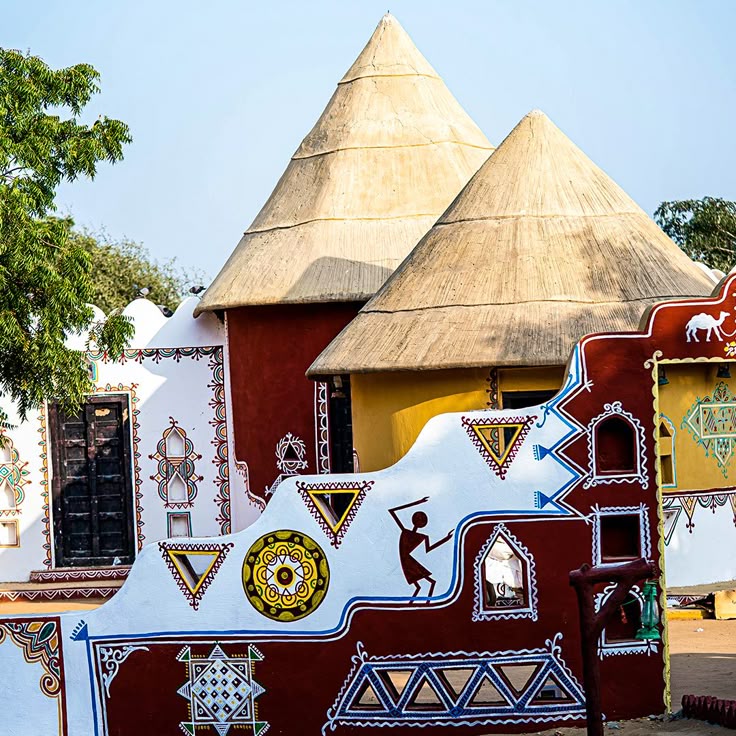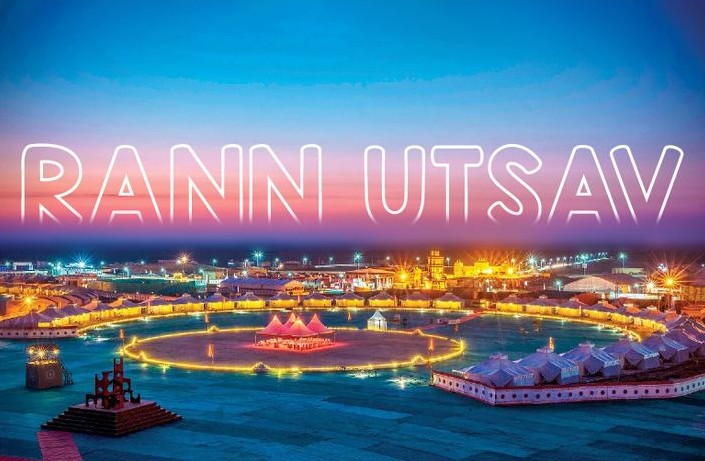
The first time I stepped onto the White Rann of Kutch, the landscape felt almost unreal. In every direction there was nothing but a vast white salt desert stretching endlessly toward the horizon. The silence, the desert wind, and the open sky created a peaceful atmosphere that felt both calming and powerful.
Located in the Kutch district of Gujarat, the White Rann of Kutch is one of India’s most extraordinary natural landscapes. This seasonal salt marsh transforms dramatically with the seasons and attracts travellers from across India and around the world.
During the monsoon months the region fills with water. When winter arrives, the water evaporates and leaves behind a stunning white desert made of salt crystals. Walking across the White Rann of Kutch feels like stepping into a landscape that looks almost surreal.
One of the most magical experiences here happens during full-moon nights, when the entire salt desert glows softly under moonlight. Combined with the colourful celebrations of Rann Utsav, the White Rann of Kutch becomes one of the most unique travel experiences in India.
This guide covers everything travellers need to know about visiting the White Rann of Kutch, including permits, access rules, Rann Utsav activities, accommodation, photography tips, and practical travel advice.
Quick Information
Before planning a trip to the White Rann of Kutch, it helps to know a few essential travel details.
Key Information
• Location – Near Dhordo village, Kutch, Gujarat
• Nearest city – Bhuj (about 80 km away)
• Best time to visit – November to February
• Entry permit – Mandatory for all visitors
• Famous for – Salt desert, full-moon views, Rann Utsav
• Ideal visit duration – 1 to 2 days
• Suitable for – Families, couples, photographers, solo travellers
Most travellers begin their White Rann of Kutch journey from Bhuj and drive through quiet desert roads toward Dhordo village.
What Is the White Rann of Kutch?
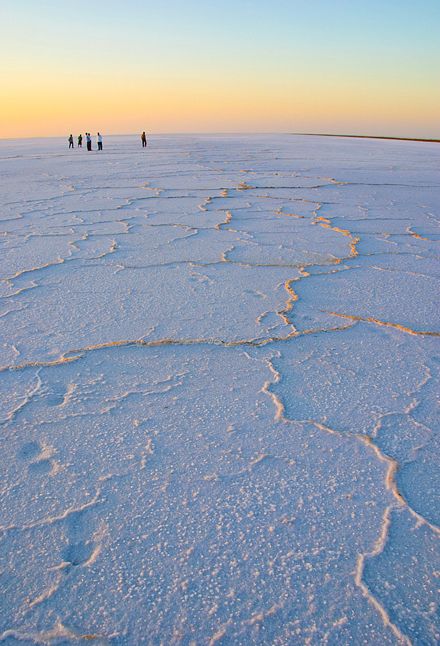
The White Rann of Kutch is part of the larger Great Rann of Kutch, one of the world’s largest salt deserts. Unlike typical sandy deserts, this landscape is formed by natural evaporation of seawater.
During monsoon, the entire region becomes flooded. As winter arrives, the water gradually dries and leaves behind a thick layer of salt crystals that create the famous white landscape.
Walking on the White Rann of Kutch during the day can feel almost blinding because sunlight reflects strongly off the salt surface. But as evening approaches, the colours soften and the desert becomes calm and beautiful.
Best Time to Visit the White Rann
The White Rann is open only during winter.
- Best months: November to February
- Best experiences: Sunrise, sunset, and full-moon nights
- Avoid:
- March to June (extreme heat)
- July to September (monsoon closure)
Sunset and Full Moon at the White Rann of Kutch
Sunset at the White Rann of Kutch is one of the most memorable moments of the entire trip. As the sun lowers, the white salt desert slowly turns golden and pink, creating a stunning natural scene.
Another magical experience happens during full-moon nights. Under the moonlight, the White Rann of Kutch glows softly, creating an almost dreamlike landscape that feels peaceful and surreal.
Best Viewing Times
• Sunrise – quiet and peaceful atmosphere
• Sunset – dramatic desert colours
• Full moon – glowing white landscape
Rann Utsav – Culture and Celebration in the Desert
Visiting the White Rann of Kutch during the winter months also means experiencing the famous Rann Utsav, a cultural festival celebrating the traditions of Kutch.
Held near Dhordo village, the festival transforms the desert region into a lively cultural destination filled with music, dance, food, crafts, and adventure activities.
The festival usually runs from November to February, and advance booking is recommended because many travellers visit the White Rann of Kutch during this time.
Cultural & Adventure Activities at Rann Utsav
Rann Utsav is not just about visiting the White Rann—it is a complete cultural and experiential festival. Visitors staying at or visiting the Tent City near Dhordo can enjoy a wide range of activities throughout the day and evening.
Evenings during Rann Utsav are filled with traditional performances that showcase the culture of Kutch and Gujarat.
Watching local artists perform in colourful traditional attire adds a rich cultural dimension to the White Rann of Kutch experience.
Traditional Cultural Performances
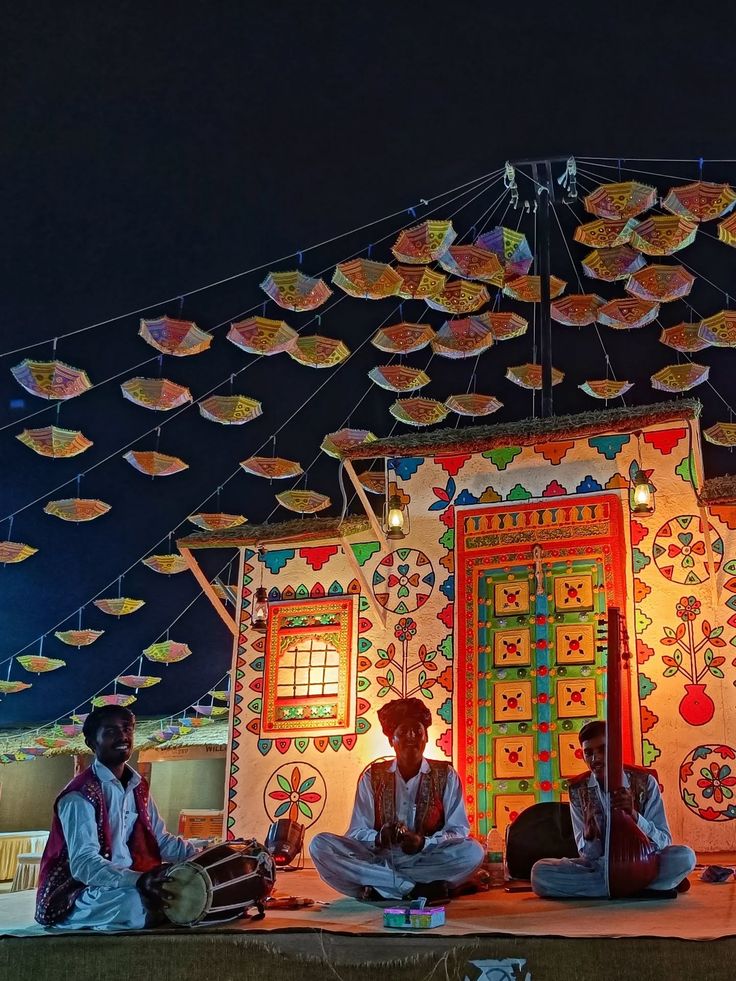
Every evening at Rann Utsav comes alive with authentic folk performances from Kutch and Gujarat. These programs are generally included in Rann Utsav packages and are held inside the Tent City.
- Kutchi folk dance performances in traditional attire
- Adivasi and tribal dance shows from nearby regions
- Folk music and live musical programs using traditional instruments
- Garba and Ras during festive periods
- Cultural storytelling and heritage shows showcasing Kutch history
These performances are among the main highlights of Rann Utsav.
Adventure & Outdoor Activities
Apart from cultural experiences, travellers can also enjoy a variety of adventure activities near the White Rann of Kutch.
These activities are usually organised around the Tent City area near Dhordo village.
Adventure Activities
• Camel safari across desert landscapes
• Horse riding experiences
• ATV desert bike rides
• Paramotoring or paragliding (weather dependent)
• Seasonal hot air balloon rides
• Archery and recreational shooting
These activities add excitement to a trip while still allowing visitors to enjoy the calm beauty of the White Rann of Kutch.
Availability depends on weather conditions and government permissions.
Daytime Experiences & Workshops
Rann Utsav also offers peaceful and cultural daytime experiences.
- Handicraft and art exhibitions (Rogan art, Ajrakh printing, embroidery, woodcraft)
- Local handloom and craft shopping directly from artisans
- Photography walks around the White Rann
- Sunrise and sunset viewing experiences
- Traditional Kutchi and Gujarati food at dining areas
Entry Permit for White Rann (Important)
Because the White Rann of Kutch lies close to the India–Pakistan border, an official government permit is required for all visitors.
For Indian Visitors
- • Permits available online or at counters in Bhuj and Dhordo
- • Valid photo ID required (Aadhaar, passport, or driving licence)
- Official Rann Permit Portal – Online permit for Rann of Kutch, Book permit & make payment online
For Foreign Tourists
• Inner Line Permit (ILP) required
• Passport and valid Indian visa necessary
• Rules may change, so always confirm in advance
Visitors should always carry their permit when entering the White Rann of Kutch.
Always confirm permit rules in advance through official sources.
Do not attempt to enter the White Rann without a valid permit.
How You Visit the White Rann (Access Rules)
Private vehicles are not allowed directly inside the White Rann of Kutch in order to protect the fragile salt ecosystem.
Visitors park their vehicles near the Tent City area and then take authorised buses to the desert.
Access Process
• Park vehicle near Tent City Dhordo
• Government buses transport visitors
• Fixed entry time slots
• Bus transport included with permit
This system helps manage crowds and preserve the natural beauty of the White Rann of Kutch.
How to Reach the White Rann
The nearest major town for reaching the White Rann of Kutch is Bhuj.
Travel Options
• By Air – Bhuj Airport
• By Train – Bhuj Railway Station
• By Road – Bhuj to Dhordo to White Rann (approx. 80 km)
The road journey from Bhuj to the White Rann of Kutch is smooth and scenic, passing through open landscapes and small villages.
Where to Stay
There are several accommodation options depending on the type of experience travellers want.
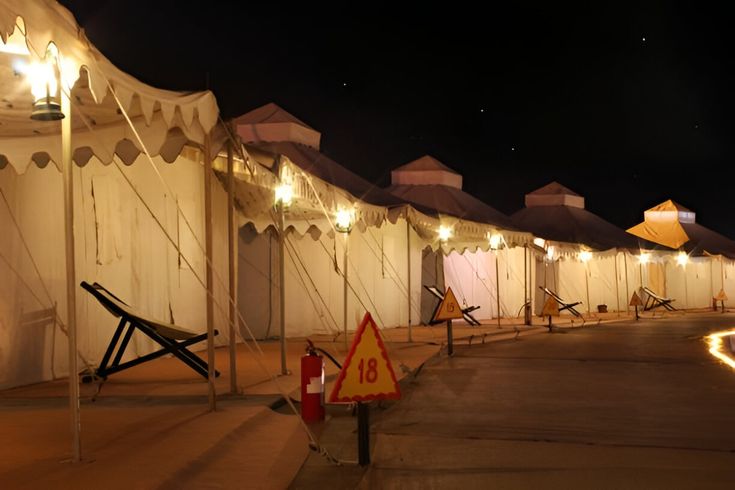
Dhordo: Tent City stays during Rann Utsav (closest access)
Bhuj: Hotels across all budgets; best base city
Nearby villages: Limited homestays for cultural travellers
Photography Tips for White Rann
Photographing the White Rann of Kutch can be a unique experience because the desert constantly changes with light.
Photography Tips
• Visit during sunrise or sunset
• Full-moon nights offer magical lighting
• Use wide-angle lenses for landscape shots
• Protect equipment from salt dust
• Follow permit timings carefully
How to Include White Rann in a Kutch Trip
- Short visit: Bhuj → Dhordo → White Rann → Bhuj
- Cultural stay: Bhuj → Tent City → White Rann → Rann Utsav activities
- Extended journey: White Rann → Road to Heaven → Dholavira or Mandvi
Practical Travel Tips
Travelling in the desert requires some preparation. These tips help make the White Rann of Kutch trip comfortable.
Travel Tips
• Winter nights can be cold, carry warm clothes
• Keep printed permits and ID cards
• Carry drinking water
• Mobile networks may be weak
• Respect the desert environment and avoid littering
Frequently Asked Questions About White Rann of Kutch
1. Is the White Rann open all year?
No, the White Rann of Kutch is mainly open from November to February during the winter season and Rann Utsav period. It remains closed during monsoon due to flooding and border security restrictions.
2. Is entry permit required for White Rann?
Yes, an official government permit is mandatory for all visitors (Indian and foreign tourists). Permits can be obtained online or at counters in Bhuj and Dhordo.
3. Can foreign tourists visit the White Rann?
Yes, foreign tourists can visit with a valid Inner Line Permit (ILP), passport, and Indian visa. Rules may change, so always verify in advance through official sources.
4. How many days are sufficient to explore White Rann?
One to two days are ideal to experience the sunset, full-moon view, Rann Utsav cultural activities, and nearby attractions like Dhordo village.
5. What is the best time to visit the White Rann?
The best time to visit is between November and February when the weather is pleasant and Rann Utsav is in full swing.
6. Is White Rann family-friendly?
Yes, White Rann is safe and suitable for families, couples, photographers, and senior travellers during the winter season.
Final Thoughts
The White Rann of Kutch is not just a place you visit—it is an experience that stays with you. Standing in the middle of the vast white desert, surrounded by silence and open sky, feels completely different from any other landscape in India.
Whether you come for the glowing full-moon nights, the vibrant Rann Utsav celebrations, or simply to witness the beauty of the salt desert, the White Rann of Kutch offers a travel experience that is truly unforgettable.
Planning a Complete Kutch Trip
For a detailed itinerary covering temples, beaches, villages, scenic drives, Dholavira, Mandvi, and heritage sites, see our Kutch Travel Guide.