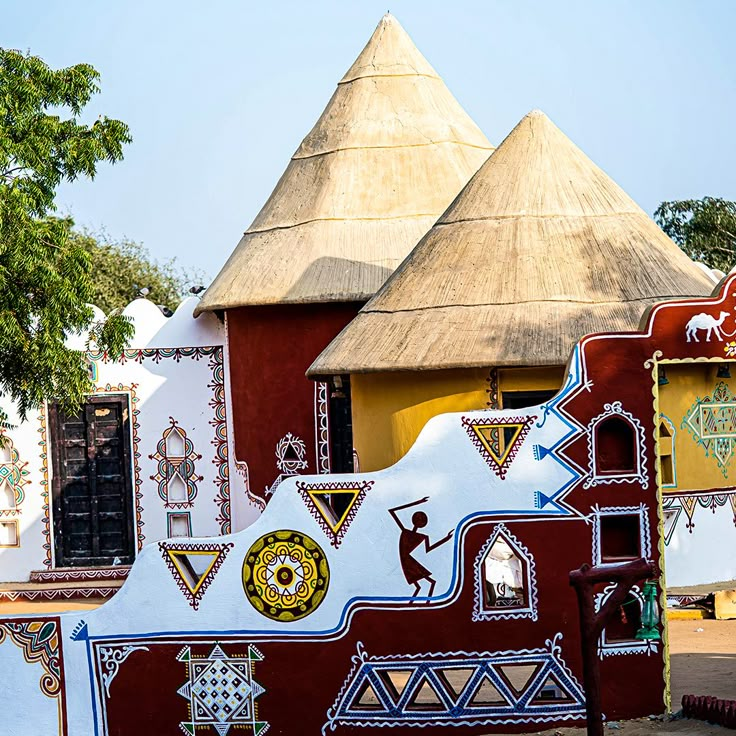
Many travellers come to Kutch for its landscapes, but the real cultural soul of the region lies in the handicraft villages of Kutch. During my journey across the district, I realized that these villages are not just places where crafts are sold—they are places where traditions are still alive.
Walking through the handicraft villages of Kutch, you can hear the rhythm of weaving looms, see artisans carefully carving wood, and watch intricate textile patterns appear through centuries-old techniques. Every piece of craft here carries a story, and every artisan carries generations of knowledge.
Visiting the handicraft villages of Kutch transforms a normal trip into a cultural experience. Instead of simply shopping for souvenirs, travellers get the chance to meet artisans, understand their work, and see how these traditions continue to thrive today.
Why the Handicraft Villages of Kutch Are Special
The handicraft villages of Kutch are unique because the crafts here are deeply connected to the identity of the communities who create them. Many families have practiced the same art forms for generations.
When you spend time in the handicraft villages of Kutch, you quickly realize that these crafts are not just products—they are part of everyday life and cultural expression.
What Makes These Villages Unique
• Crafts made entirely by hand
• Techniques preserved for centuries
• Natural dyes and traditional materials
• Skills passed down through generations
Exploring the handicraft villages of Kutch allows travellers to see culture being practiced, not just displayed.
Bhujodi – Handloom Weaving Village
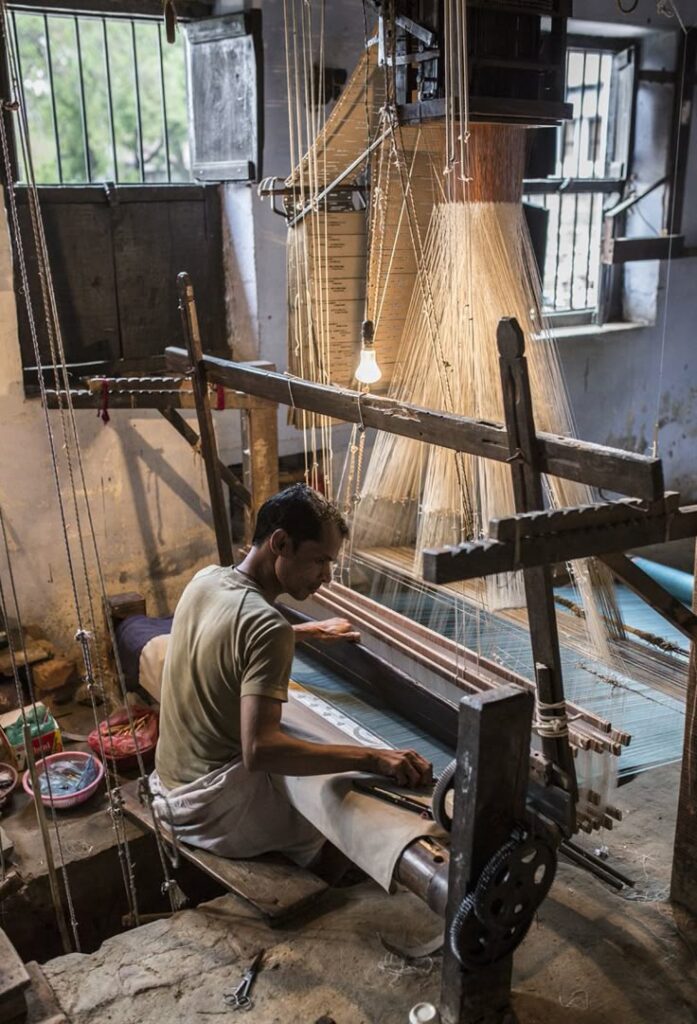
Bhujodi is one of the most well-known handicraft villages of Kutch, located just a short drive from Bhuj. It has become famous for its traditional handloom weaving and textile craftsmanship.
When I visited Bhujodi, the sound of wooden looms working continuously filled the village streets. Watching artisans weave intricate shawls and blankets made me appreciate the patience behind every textile.
What Bhujodi Is Known For
- Handwoven shawls and stoles
- Woollen blankets
- Traditional Kutchi textile patterns
Hiralaxmi Craft Park (Shrujan)
The village is also home to Hiralaxmi Craft Park (Shrujan), which supports women artisans from different villages of Kutch.
Why Visit Bhujodi
- Watch live weaving demonstrations
- Buy directly from weavers
- Understand traditional textile techniques
Ajrakhpur – Ajrakh Block Printing Village
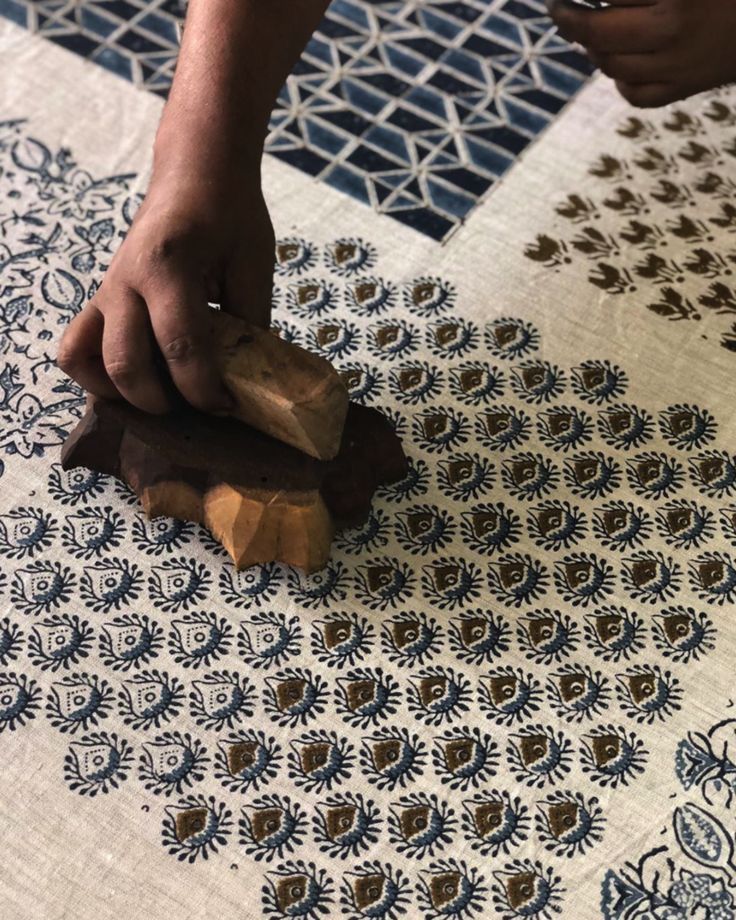
Ajrakhpur is another fascinating destination among the handicraft villages of Kutch, globally known for its Ajrakh block printing tradition.
Here, artisans create beautiful textiles using natural dyes and wooden blocks. Watching the process is mesmerizing because each fabric goes through several stages of printing, washing, and dyeing.
About Ajrakh Printing
- Uses natural dyes like indigo and madder
- Involves complex multi-day printing processes
- Features geometric and symmetrical designs
What You Can Buy
- Ajrakh stoles and scarves
- Fabric lengths for clothing
- Table runners and dupattas
Many workshops allow visitors to observe the printing process, offering insight into this intricate craft.
Nirona Village – Rogan Art, Bells & Lacquer Work
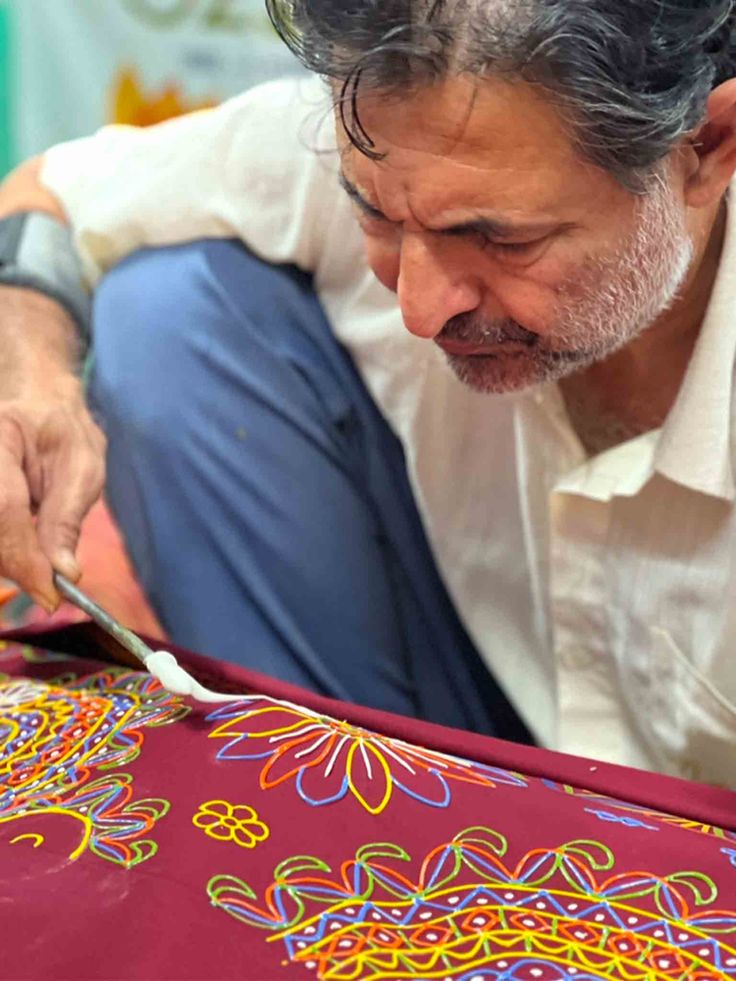
Among the handicraft villages of Kutch, Nirona stands out for preserving some of the rarest art forms in India. Visiting this village feels like discovering hidden cultural treasures.
The artisans here warmly welcome visitors and demonstrate their craft processes in person.
Unique Crafts of Nirona
- Rogan art – a rare hand-painted textile art using castor oil paint
- Copper bell making
- Lacquer wood turning
Rogan art is practiced by only a few families in the world, making it extremely valuable and unique.
Why Nirona Is Special
- Direct interaction with master artisans
- Opportunity to see rare art techniques
- Deep cultural authenticity
Hodka Village – Mud Art & Rural Craft Experience
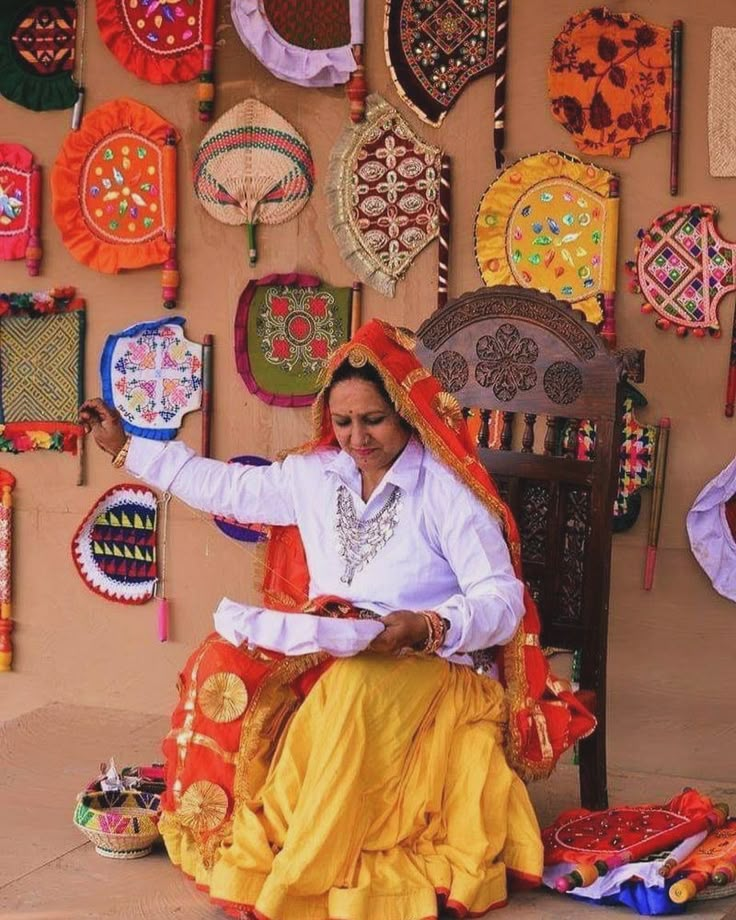
Hodka offers a different experience compared to other handicraft villages of Kutch. Instead of focusing on workshops alone, the village showcases traditional architecture and community crafts.
Walking through Hodka, I noticed beautifully decorated mud houses with mirrors embedded in the walls. This unique decoration style is known as Lippan art.
Highlights
- Lippan (mud mirror work)
- Community-run craft centres
- Cultural village tourism
Hodka is ideal for travellers who want to combine handicrafts with rural lifestyle experiences.
Other Notable Handicraft Villages
Apart from the major craft centres, several smaller handicraft villages of Kutch also contribute to the region’s rich artistic heritage.
These villages are less commercial and offer more authentic interactions with local artisans.
Notable Craft Villages
• Sumrasar – Bandhani tie-dye textiles
• Ludia – colourful Kutchi embroidery
• Bhirandiyara – craft items and local snacks
Exploring these smaller handicraft villages of Kutch adds variety and depth to the journey.
What to Buy from Handicraft Villages of Kutch
Shopping in the handicraft villages of Kutch feels very different from buying items in city markets. Each piece reflects the time, effort, and creativity of the artisan who made it.
Popular Craft Purchases
• Handwoven shawls and blankets
• Ajrakh printed textiles
• Rogan art wall hangings
• Handmade copper bells
• Embroidered cushion covers
Buying directly from artisans in the handicraft villages of Kutch also helps support local craft communities
Best Time to Visit Handicraft Villages
The best time to explore the handicraft villages of Kutch is during the winter season when the weather is pleasant.
Best Season
• October to March – Comfortable weather
• Rann Utsav season – More cultural activity
• Morning visits recommended
During winter, many travellers combine visits to the handicraft villages of Kutch with other destinations across the region.
Shopping & Travel Tips
When visiting the handicraft villages of Kutch, respectful travel makes the experience better for both visitors and artisans.
- Buy directly from artisans whenever possible
- Carry cash for remote villages
- Avoid aggressive bargaining
- Take permission before photography
- Respect artisan time and workspace
Supporting these communities helps preserve the traditions of the handicraft.
Suggested Handicraft Route (One Day)
Several handicraft villages of Kutch can be comfortably explored in one day from Bhuj.
Suggested Route
Bhuj → Bhujodi → Ajrakhpur → Nirona → Return to Bhuj
Travel Details
• Total distance: about 70–80 km
• Ideal duration: 6–8 hours
• Transport: self-drive or hired taxi
This route allows travellers to experience multiple handicraft villages of Kutch in a single day.
Frequently Asked Questions About Kutch Handicrafts
1. Which village is best for handicrafts in Kutch?
Bhujodi and Nirona are among the most popular villages known for embroidery, Rogan art, copper bells, and traditional crafts.
2. What is Kutch famous for in handicrafts?
Kutch is famous for hand embroidery, Ajrakh block printing, Rogan painting, leatherwork, and metal bell making.
3. Are handicraft prices negotiable?
Yes, bargaining is common in local markets, although many artisan-run workshops have fixed prices.
4. Can handicraft villages be visited in one day?
Yes, nearby villages can be covered in a single day from Bhuj, but exploring multiple villages may require two days.
5. Are handicrafts authentic and handmade?
Most village products are handmade by local artisans using traditional techniques passed down through generations.
Final Thoughts
The handicraft of Kutch offers something far deeper than shopping—they offer cultural understanding. Every textile, painting, and handcrafted object tells a story of tradition, creativity, and resilience.
For travellers exploring Gujarat, visiting the handicraft villages of Kutch adds an unforgettable cultural layer to the journey. It is here that the real spirit of Kutch continues to live through the hands of its artisans.
More – Crafts of Kutch
Planning a Complete Kutch Trip
For a detailed itinerary covering temples, beaches, villages, scenic drives, Dholavira, Mandvi, and heritage sites, see our Kutch Travel Guide.